The Ultimate Guide to Creating a Professional LinkedIn Profile That Attracts Opportunities
The digital landscape has reshaped how we connect, learn, and advance our careers. At the forefront of this transformation, LinkedIn stands as the premier professional networking platform. More than just an online resume, a well-crafted LinkedIn profile is a dynamic, living document that can significantly influence career trajectory, opening doors to opportunities you might not have otherwise encountered. It’s your digital handshake, your personal brand’s shopfront, and a powerful tool for professional growth. Understanding its importance is the first crucial step toward maximising its potential.
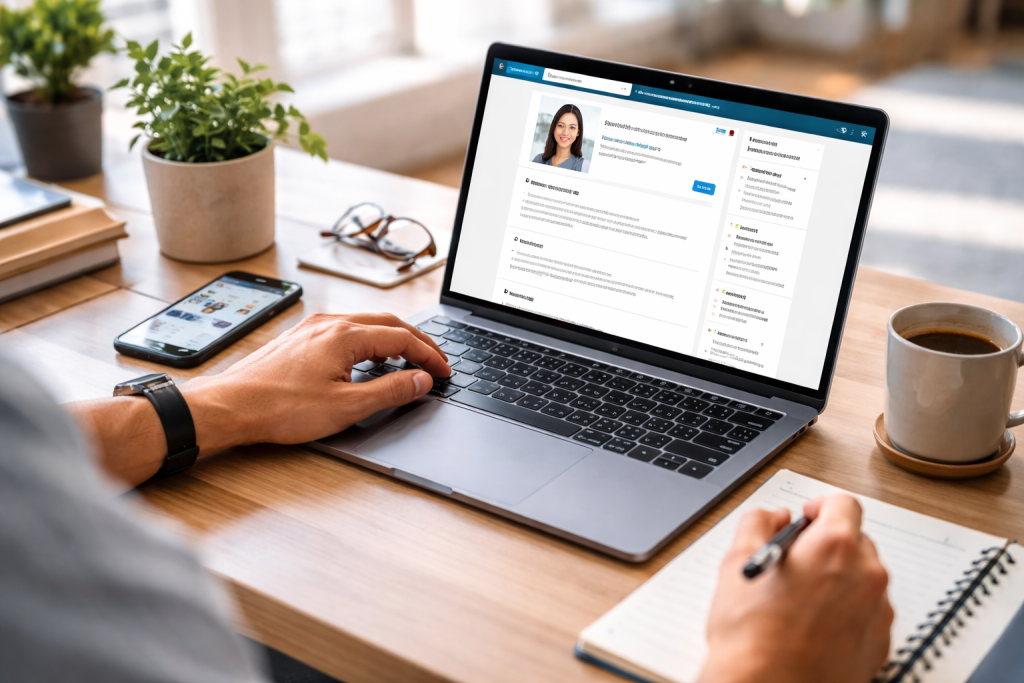
In today’s hyper-connected world, recruiters, hiring managers, and potential clients don’t just look for candidates; they actively search for them. A professional LinkedIn profile acts as your online identity, a curated representation of your skills, experience, and aspirations. It’s often the first impression you make on someone considering you for a job, a partnership, or a professional collaboration. A strong profile demonstrates your commitment to your field, showcases your expertise, and signals your professionalism. Ignoring LinkedIn is akin to dismissing a powerful marketing tool designed specifically for your professional advancement. You establish your network and forge new connections on LinkedIn. It’s also a vital resource for industry insights, news, and trend analysis.
Contents
- 1 The Evolving Role of Online Professional Presence
- 2 Building Trust and Credibility Online
- 3 The Power of a Targeted LinkedIn Headline
- 4 Crafting a Compelling LinkedIn Summary (About Section)
- 5 Beyond Job Descriptions: Highlighting Achievements
- 6 Strategically Listing Your Skills
- 7 The Power of Written Recommendations
- 8 Understanding and Utilizing Endorsements
- 9 The Impact of a Professional Profile Picture
- 10 Showcasing Your Work with Media Attachments
- 11 The Art of Strategic Connection Building
- 12 Engaging with Content and Discussions
- 13 The Importance of Keywords Throughout Your Profile
- 14 Keeping Your Profile Updated and Complete
The Evolving Role of Online Professional Presence
Gone are the days when a static resume was sufficient. Today, employers often conduct preliminary “digital interviews” by reviewing candidates’ LinkedIn profiles. They look for more than just job titles and dates; they seek evidence of your achievements, your personality, and your engagement within your professional community. Your LinkedIn profile allows you to tell your story in a more narrative and engaging way than a traditional resume can. It provides context, highlights soft skills, and offers a glimpse into your professional values. This online presence is not a passive entity; it’s an active representation of your career journey.
Building Trust and Credibility Online
A complete and polished LinkedIn profile builds immediate trust. It shows that you take your career seriously and are invested in presenting yourself professionally. When your profile is detailed, well-written, and includes specific achievements, it lends significant credibility to your claims. This credibility is essential for attracting the right opportunities, whether it’s a dream job, a lucrative contract, or a speaking engagement. It’s about demonstrating competence and reliability through your digital footprint.
Your LinkedIn headline and summary are the gateway to your profile, the critical first few seconds of interaction. They are your elevator pitch, designed to grab attention, convey your core value proposition, and encourage further exploration. A weak or generic headline and summary can lead to potential connections scrolling past without a second glance, missing out on the wealth of information you have to offer. Investing time in crafting these elements is paramount for making a memorable and impactful first impression.
The Power of a Targeted LinkedIn Headline
Your headline is more than just your job title. It’s a strategic phrase that encapsulates what you do, who you help, and the unique value you bring. Think of it as a mini-advertisement for yourself. Instead of simply stating “Marketing Manager”, consider something like “Driving Brand Growth Through Data-Driven Digital Marketing Strategies | Helping SaaS Companies Scale User Acquisition”. This detailed headline immediately tells a recruiter or potential client about your speciality and the impact you make. It’s about being specific and benefit-orientated.
Keywords are Your Best Friends
Integrate relevant keywords that recruiters and hiring managers are likely to search for in your industry. These keywords act as signposts, making your profile discoverable when someone is looking for specific expertise. Ensure your headline optimises for searchability by researching common job titles, skill sets, and industry jargon.
Crafting a Compelling LinkedIn Summary (About Section)
The “About” section, or summary, is your opportunity to expand on your headline and tell a more comprehensive story. This is where you can inject personality, elaborate on your passions, and highlight key achievements beyond just listing them. It should be written in a conversational yet professional tone, making it engaging and easy to read. Think of it as a compelling narrative that draws the reader in.
Tell Your Career Story
Begin with a concise overview of your professional journey and your current role or aspirations. Then, delve into your key strengths, unique selling propositions, and what you’re passionate about in your field. Use storytelling to illustrate your impact and achievements rather than just listing them. Quantifiable results are particularly impactful here.
Include a Call to Action
What do you want people to do after reading your summary? You might encourage them to connect with you to discuss opportunities, download a portfolio, or visit your website. A clear call to action guides your audience and helps you achieve your networking goals.
Beyond the initial impression, the core of your LinkedIn profile lies in how you present your professional experience and skills. This is where you provide concrete evidence of your capabilities and demonstrate your value to potential employers or collaborators. A superficial listing of past roles won’t suffice; you need to articulate your contributions and highlight the impact you’ve made.
Beyond Job Descriptions: Highlighting Achievements
accounts”,When detailing your work experience, move beyond simply listing responsibilities. For each role, focus on your accomplishments and the tangible results you delivered. Use action verbs and quantify your achievements whenever possible. For instance, instead of saying “Managed social media accounts,” state “Increased social media engagement by 25% and drove a 15% rise in website traffic through targeted content campaigns.” This provides concrete evidence of your effectiveness.
Quantify Your Impact
Numbers speak volumes. Whenever you can, use data to illustrate the scope and success of your contributions. This could include metrics like revenue generated, cost savings implemented, efficiency improvements achieved, or the size of teams you’ve led.
Strategically Listing Your Skills
LinkedIn’s skills section is a powerful tool for discoverability. Brainstorm all your relevant hard and soft skills. Think about technical proficiencies, software expertise, industry-specific knowledge, and interpersonal abilities.
Endorsements as Social Proof
The skills section is also where you receive endorsements from your connections. While it’s beneficial to have a broad range of skills listed, focus on the ones that are most relevant to your career goals and for which you genuinely possess expertise. Encourage colleagues and supervisors to endorse your key skills, as this acts as a form of social proof.
In the professional world, trust is paramount. Recommendations and endorsements on LinkedIn serve as powerful testimonials, offering third-party validation of your skills and capabilities. They are the digital equivalent of a word-of-mouth referral, significantly boosting your credibility and making your profile more persuasive to potential employers or clients.
The Power of Written Recommendations
Written recommendations are more detailed testimonials from people who have worked with you, under you, or for you. They offer qualitative insights into your work ethic, professionalism, and contributions. A recommendation from a former manager or a respected industry peer carries significant weight.
Requesting Thoughtful Recommendations
Don’t be afraid to ask for recommendations. When you do, be specific about what you’d like them to highlight. For example, you might ask a former supervisor to comment on your project management skills or your ability to lead a team. Providing them with a brief reminder of a specific project or achievement can help them write a more impactful recommendation.
Giving Back: The Art of Recommending Others
Recognise: Not only is it beneficial to receive recommendations, but it’s also a good practice to offer them to others. Recommending a colleague or former team member not only strengthens your professional relationships but can also encourage them to reciprocate, further enhancing your profile’s credibility. Your recommendations showcase your ability to recognize and articulate the strengths of others, which is a valuable skill in itself.
Understanding and Utilizing Endorsements
Endorsements are quick, one-click validations of your skills. While they don’t carry the same weight as written recommendations, a substantial number of endorsements for your key skills can signal to others that you are proficient in those areas.
Curating Your Endorsed Skills
Regularly review the skills that are being endorsed. Ensure that the skills with the most endorsements are those that align with your career goals. You can also pin your top three most relevant skills to the top of your skills section, making them immediately visible.
Encouraging Strategic Endorsements
receivingSimilar to recieving recommendations, you can strategically encourage connections to endorse your most important skills. A simple message to a colleague might be met with a quick endorsement, contributing to your profile’s overall strength.
In our visually driven world, static text-based profiles can easily get lost in the noise. Integrating compelling visual content into your LinkedIn profile can significantly enhance its engagement, memorability, and overall impact. Visuals help to break up text, convey information quickly, and add a layer of personality and professionalism that words alone might struggle to capture.
The Impact of a Professional Profile Picture
Your profile picture is arguably the most important visual element on your LinkedIn profile. It’s the first thing people see and forms an immediate impression. A clear, professional, and friendly headshot is essential.
Professionalism is Key
Choose a well-lit photo where you are smiling and looking directly at the camera. Avoid casual selfies, group photos, or pictures where your face is not clearly visible. Your attire should be professional, reflecting your industry and personal brand.
Consistency Across Platforms
Ensure your LinkedIn profile picture is consistent with your brand across other professional platforms. This helps with recognition and reinforces your professional identity.
Showcasing Your Work with Media Attachments
LinkedIn allows you to attach various types of media to your profile, including presentations, documents, videos, and links to your portfolio or website. This is an invaluable opportunity to provide tangible proof of your skills and accomplishments.
Demonstrating Expertise with Presentations and Documents
Uploaded presentations or reports can showcase your analytical skills, strategic thinking, or the scope of projects you’ve managed. For example, a marketing professional could upload a successful campaign presentation, or a data analyst could share a report on key insights.
Visual Storytelling with Videos
Videos are incredibly engaging. You can upload a short introductory video, a testimonial, a demo of your work, or even a recording of a presentation you’ve given. This allows you to connect with your audience on a more personal level and demonstrate your communication skills.
Maximising a LinkedIn profile is not a passive billboard; it’s a dynamic platform for building and nurturing professional relationships. Effective networking and consistent engagement are crucial for maximizing your profile’s potential and unlocking new opportunities. Simply having a polished profile isn’t enough; you need to actively participate in the LinkedIn community.
The Art of Strategic Connection Building
Connecting with people on LinkedIn should be a thoughtful and purposeful activity. It’s about building a network of valuable professional relationships, not just accumulating a large number of contacts.
Personalized Connection Requests
personalisedWhen sending a connection request, always include a personalized message. Remind the person how you know them, mention a shared interest, or explain why you’d like to connect. Generic requests are often ignored.
Identifying Key Connections
Identify individuals in your industry, at companies you admire, or in roles you aspire to. These are the people who can offer advice, mentorship, or future opportunities.
Engaging with Content and Discussions
Being an active participant on LinkedIn means more than just connecting with people. It involves engaging with the content posted by your network and contributing to discussions.
Sharing Valuable Content
Share relevant articles, industry news, or your own insights. This positions you as a thought leader and keeps your profile visible in your network’s feeds. When you share content, add your own commentary to spark conversation.
Participating in Groups and Discussions
Specialistized LinkedIn groups provide specialized communities where you can connect with like-minded professionals, share expertise, and learn from others. Actively participating in relevant group discussions can significantly enhance your visibility and credibility.
To truly attract opportunities, your LinkedIn profile must be discoverable. This means optimizing it for search engines, both within LinkedIn and externally. By strategically using keywords and ensuring your profile is complete, you increase the chances of being found by recruiters, hiring managers, and potential clients who are actively seeking your skills and experience.
The Importance of Keywords Throughout Your Profile
Keywords are the building blocks of searchability. Think about the terms that someone looking to hire for your role or skill set would use. These keywords should be woven throughout your entire profile, from your headline and summary to your experience descriptions and skills section.
Identifying Relevant Keywords
Research common job titles, industry terms, and skill-based language used in job descriptions for roles you’re interested in. Explore what keywords your peers are using.
Strategic Keyword Placement
Ensure your most important keywords appear naturally in your headline, summary, job titles, and descriptions. Avoid keyword stuffing, which can harm your readability and search ranking.
Keeping Your Profile Updated and Complete
prioritisesA complete profile signals to LinkedIn’s algorithm, and to human eyes, that you are an active and engaged user. LinkedIn prioritizes complete profiles in search results.
Completing All Profile Sections
Make sure you have filled out every relevant section of your profile, including education, licenses, certifications, volunteer experience, and accomplishments. The more information you provide, the richer your profile will be.
Regularly Reviewing and Refreshing
Your career is not static, and neither should your LinkedIn profile be. Regularly review your profile for accuracy and relevance. Update it whenever you gain new skills, complete new projects, or move into a new role. This keeps your profile current and demonstrates your ongoing professional development.
In conclusion, your LinkedIn profile is a powerful, multifaceted tool that, when wielded effectively, can be the catalyst for significant career advancement. By understanding its importance, mastering the art of crafting compelling content, strategically showcasing your achievements, leveraging social proof, incorporating visual elements, actively engaging with your network, and optimising searchability, you transform your profile from a simple online resume into a potent magnet for opportunities. Put in the time and effort to establish and maintain a professional LinkedIn presence, and watch as it unlocks opportunities you never imagined.

GoLiveXora is managed by a passionate content creator dedicated to helping people improve their everyday lives through practical knowledge and modern solutions.