The Science of a Distraction-Free Workspace: How to Optimize Your Environment for Success
The pursuit of productivity often feels like navigating a minefield of interruptions. In today’s hyper-connected world, our attention is constantly under siege, pulled in a thousand different directions by buzzing notifications, social media alerts, and the ever-present allure of the internet. However, the science behind a distraction-free workspace offers a compelling roadmap for reclaiming our focus and optimising our environment for peak performance. It’s not simply about tidying up; it’s a deliberate, scientifically backed approach to crafting a sanctuary where deep work can thrive.
The human brain, while remarkable, is not designed for perpetual multitasking or constant vigilance against external stimuli. When we are interrupted, our cognitive resources are diverted, and the mental effort required to return to our original task can be substantial. This phenomenon, known as “attention residue”, means that even after the interruption has passed, a part of our mental energy remains stuck on the previous stimulus, hindering our ability to fully re-engage.
The Cognitive Load of Interruption
Every notification, every glint of movement in our periphery, and every casual conversation can overload our working memory. Working memory is the temporary storage system that allows us to hold and manipulate information for complex cognitive tasks like problem-solving and decision-making. When this system is bombarded with irrelevant stimuli, its capacity is depleted, leading to errors, slower processing speeds, and an increased likelihood of forgetting important details. This constant cognitive shuffling significantly saps our mental stamina, akin to a runner having to stop and start repeatedly during a race, making it impossible to achieve that sustained, fluid momentum crucial for deep, meaningful work.
The Dopamine Loop and the Allure of Novelty
Our brains are wired to seek novelty and rewards, and digital distractions are masters at exploiting this inherent biological drive. The design of social media feeds, email inboxes, and instant messaging platforms delivers intermittent rewards in the form of likes, comments, and new information. This triggers the release of dopamine, a neurotransmitter associated with pleasure and motivation, creating a powerful feedback loop that encourages us to repeatedly check for these small, ephemeral rewards, even at the expense of more significant, long-term goals. This constant craving for novelty makes it incredibly challenging to resist the pull of the digital world and stay focused on a single, less immediately gratifying task.
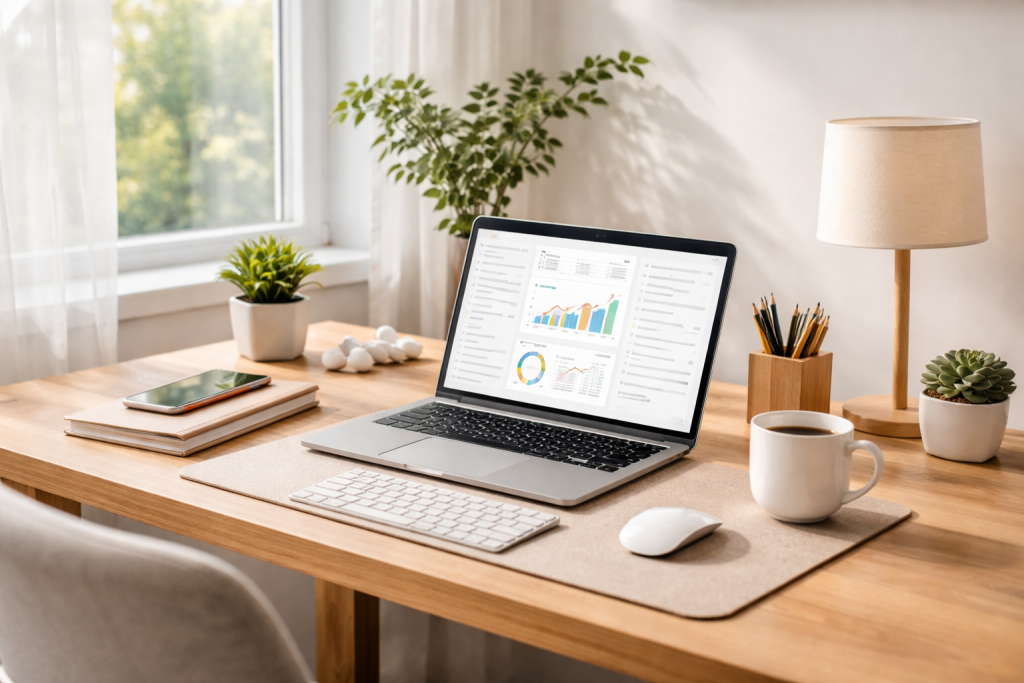
The physical environment in which we work plays a crucial role in our ability to concentrate. A cluttered, chaotic space can mirror and exacerbate internal disarray, making it harder to achieve mental clarity. Conversely, a well-designed, organised workspace can act as a powerful anchor, promoting a sense of calm and control, which are essential prerequisites for focused work.
The Power of Decluttering and Minimalism
The visual noise of a messy desk or workspace can be a significant source of distraction. Studies have shown a correlation between clutter and increased stress levels, as well as impaired cognitive function. Decluttering is not just about aesthetics; it’s about reducing the number of visual cues competing for our attention. By simplifying our surroundings, we create a more serene and mentally accessible environment. This might involve implementing the “one-touch” rule for papers, digitising documents where possible, and having dedicated homes for all essential items. The less visual clutter, the more mental bandwidth we have available for the task at hand.
The Influence of Color and Lighting
colours The subtle influences of colour and lighting on our mood and cognitive state are well-documented. Certain colours can evoke feelings of calm and tranquillity, such as blues and greens, which can be beneficial for concentration. Others, like vibrant reds or yellows, might be too stimulating and contribute to feelings of restlessness. Similarly, natural light is generally preferred for its positive impact on mood and alertness. Adequate, well-distributed artificial lighting can also be crucial, avoiding harsh glares or dim shadows that can strain the eyes and lead to fatigue. Experimenting with colour palettes and ensuring optimal lighting conditions can transform a mundane workspace into a more conducive environment for deep work.
Strategic Arrangement and Personalization
The layout of our workspace can also impact our focus. Placing essential items within easy reach minimises unnecessary movement and breaks in concentration. Consider arranging your desk in a way that allows for a clear line of sight to your computer screen and reduces the temptation to look around at other distractions. Furthermore, while a minimalist approach is beneficial, a touch of personalisation can also enhance comfort and motivation. A few carefully chosen items, such as a plant or a framed picture, can make the space feel more inviting and reduce the feeling of being in a sterile, uninspiring environment, thus fostering a sense of ownership and well-being that supports sustained focus.
In a paradoxical twist, the very technology that often serves as a primary source of distraction can also be a powerful tool for combating it. By strategically employing digital solutions, we can create digital barriers and automate processes that safeguard our attention.
Digital Detox Tools and Website Blockers
The internet, with its endless distractions, frequently causes productivity disruptions. judgement. Fortunately, a wealth of tools exists to help us regain control. Website blockers can be configured to restrict access to distracting sites during designated work periods. Similarly, apps designed for digital detox can help set time limits for specific applications or even entire devices. These tools act as digital gatekeepers, enforcing our intentions and making it more difficult to succumb to impulsive browsing or social media checking.
Notification Management and “Do Not Disturb” Modes
Constant notifications pose a significant challenge to focused work. Learning to manage these interruptions is paramount. Most operating systems and devices offer robust “do not disturb” features that can be scheduled or activated on demand. This silences incoming calls and messages, allowing us to enter a state of flow without being jolted back to reality by a ping or buzz. Furthermore, within individual applications, users can often customise notification settings, choosing to receive alerts only for critical communications or disabling them altogether during focused work sessions. Cultivating discipline in managing these alerts is a key step in minimising digital distractions.
Utilizing Productivity Apps and Project Management Tools
organised. While not directly distraction-reducers, effective productivity apps and project management tools can indirectly contribute to a distraction-free environment by providing structure and clarity. When our tasks and projects are well-defined, organised, and easily accessible, there’s less cognitive load associated with remembering what needs to be done and in what order. This clarity can reduce the urge to seek external distractions as a means of procrastination or to escape overwhelm. Tools that offer features like to-do lists, progress tracking, and collaboration can streamline workflows and keep us engaged with our work.
Ergonomics, the science of designing and arranging things so that people can use them easily and safely, extends beyond physical comfort. It has a profound impact on our ability to maintain focus over extended periods. Physical discomfort is a potent, often subconscious, distraction that can erode concentration and lead to fatigue.
The Ergonomic Desk Setup: Beyond Simple Comfort
chair, and a properly configured ergonomic workspace is more than just a comfortable chair. It encompasses the relationship between your body and your entire workstation. This includes the height of your desk and chair and the position of your monitor, keyboard, and mouse. Correct posture and alignment reduce strain on your muscles and joints, preventing the onset of fatigue and discomfort that can pull your attention away from your tasks. Investing time in setting up your desk ergonomically can pay significant dividends in terms of sustained focus and overall well-being.
The Perils of Poor Posture and Repetitive Strain
Prioritising Poor posture is not just aesthetically unappealing; it can lead to a cascade of physiological issues, including headaches, back pain, and muscle stiffness. These physical discomforts are a constant drain on our attention, making it difficult to immerse ourselves in our work. Similarly, repetitive strain injuries from improper keyboard or mouse usage can lead to chronic pain, forcing us to take frequent breaks and disrupting our workflow. Prioritising ergonomic principles is a proactive measure to prevent these distractions before they arise, allowing for uninterrupted engagement with our work.
Movement as a Focus Enhancer
Paradoxically, incorporating movement into our workday can actually enhance our focus. Sedentary work can lead to stiffness and mental fog. Regular short breaks for stretching, walking, or light exercise can improve blood flow, boost energy levels, and refresh our minds. Standing desks, wobble stools, and even regular walking meetings can be incorporated to integrate more movement throughout the day, acting as a powerful antidote to the mental stagnation that can accompany prolonged sitting. This strategic inclusion of movement can prevent discomfort-induced distractions and invigorate our cognitive processes.
While external modifications to our workspace are vital, true distraction-free success also hinges on our internal state. The mind, left unchecked, can be its most formidable distraction. Mindfulness and meditation practices offer potent tools for training our attention and building resilience against intrusive thoughts.
Cultivating Present Moment Awareness
judgement. Mindfulness is the practice of paying attention to the present moment without judgement. By intentionally focusing on our breath, bodily sensations, or the task at hand, we train our minds to resist the urge to wander. This doesn’t mean eliminating distracting thoughts altogether; rather, it’s about noticing them when they arise and gently redirecting our attention back to our intended focus. Regular mindfulness practice can gradually increase our ability to sustain attention and reduce our susceptibility to internal mental chatter.
Structured Meditation for Enhanced Concentration
Meditation, particularly focused attention meditation, directly targets the development of concentration skills. By repeatedly bringing our attention back to a single anchor, such as the breath or a mantra, we strengthen the neural pathways associated with focus. Even short, regular meditation sessions can yield significant improvements in our ability to concentrate, manage intrusive thoughts, and approach tasks with a calmer, more centred mind. The mental discipline cultivated through meditation is a powerful asset in the quest for a distraction-free mental state.
The Benefits of Mindful Breaks
Incorporating mindful breaks, rather than mindlessly scrolling through social media, can be a game-changer. Instead of escaping the task, these breaks become opportunities for mental recalibration. A few minutes spent focusing on deep breathing, a short walk in nature, or simply observing our surroundings can effectively reset our attention without introducing new distractions. This intentionality in our breaks ensures they are restorative and contribute to our overall focus, rather than undermining it.
Even with the ideal workspace and strong internal focus, external pressures can still breach our defences. Establishing clear boundaries and consistent routines creates implicit agreements and predictable structures that minimise potential disruptions.
Communicating Your Needs and Expectations
The most effective way to prevent external distractions is to proactively communicate your needs. This might involve establishing specific “focus times” when you are unavailable for non-urgent interruptions. Informing colleagues, family members, or housemates about these periods of deep work can significantly reduce unwanted interruptions. Clear communication sets expectations and fosters an environment of respect for your concentration time.
The Power of Routine and Ritual
Routines are the bedrock of productivity and distraction management. By establishing consistent daily or weekly habits, we create a sense of predictability that reduces the mental effort required to start and maintain tasks. This might include a consistent morning routine that primes you for work, a structured approach to checking emails, or a designated winding-down ritual at the end of the workday. These rituals act as automatic triggers, guiding you through your day with less conscious decision-making and fewer opportunities for distraction to creep in.
The rise of hybrid and remote work presents particular difficulties in the boundary setting. Distinguishing between work and personal life can be blurred, increasing the potential for distractions from both professional and domestic spheres. Establishing clear physical boundaries, such as dedicating a specific workspace, and temporal boundaries, like adhering to set work hours, are crucial. Furthermore, adopting a “closed door” policy, even if metaphorical, during focus times can signal your unavailability and help manage household distractions.
Beyond the quantifiable gains in productivity, a distraction-free workspace offers significant psychological benefits that contribute to overall well-being and job satisfaction.
Reduced Stress and Anxiety
Distractions and constant interruptions significantly contribute to stress and anxiety. By creating an environment that supports deep work, we reduce these stressors, leading to a calmer and more controlled experience of our work. The sense of accomplishment derived from focused, productive work also plays a vital role in alleviating stress.
Enhanced Sense of Accomplishment and Flow States
The ability to enter “flow states” – periods of intense absorption in an activity – is intrinsically rewarding. Distractions disrupt these states, leaving us feeling fragmented and less fulfilled. A distraction-free workspace facilitates the attainment of flow, leading to a deeper sense of engagement, mastery, and satisfaction with our work. This consistent experience of accomplishment can boost self-esteem and motivation.
Improved Cognitive Function and Creativity
When our minds are not constantly bombarded by stimuli, they have the space to engage in higher-level cognitive processes, including critical thinking, problem-solving, and creativity. A distraction-free environment allows for deeper contemplation and the exploration of complex ideas, fostering innovation and more effective solutions. The unhurried nature of focused work gives our brains the necessary time and space to make novel connections and generate original thoughts. In essence, by clearing the mental clutter, we create fertile ground for our minds to truly flourish.

GoLiveXora is managed by a passionate content creator dedicated to helping people improve their everyday lives through practical knowledge and modern solutions.