
Small Space, Big Impact: Sustainable Living Tips for Urban Living
The allure of urban life is undeniable – the pulse of innovation, the diverse tapestry of cultures, and the constant hum of activity. Yet, for many, this dream comes with a significant caveat: limited living space. The compact apartments and smaller homes typical of city life can feel like a constraint, especially when aspiring to live a more sustainable and eco-conscious lifestyle. However, the truth is, a small dwelling no longer dictates a small environmental footprint. In fact, the very nature of urban living, when approached with intention and creativity, can amplify the impact of sustainable choices, proving that a small space can indeed yield a big impact. This article presents practical, actionable strategies for urban dwellers to embrace sustainable living, transforming their compact environments into hubs of eco-friendly innovation.
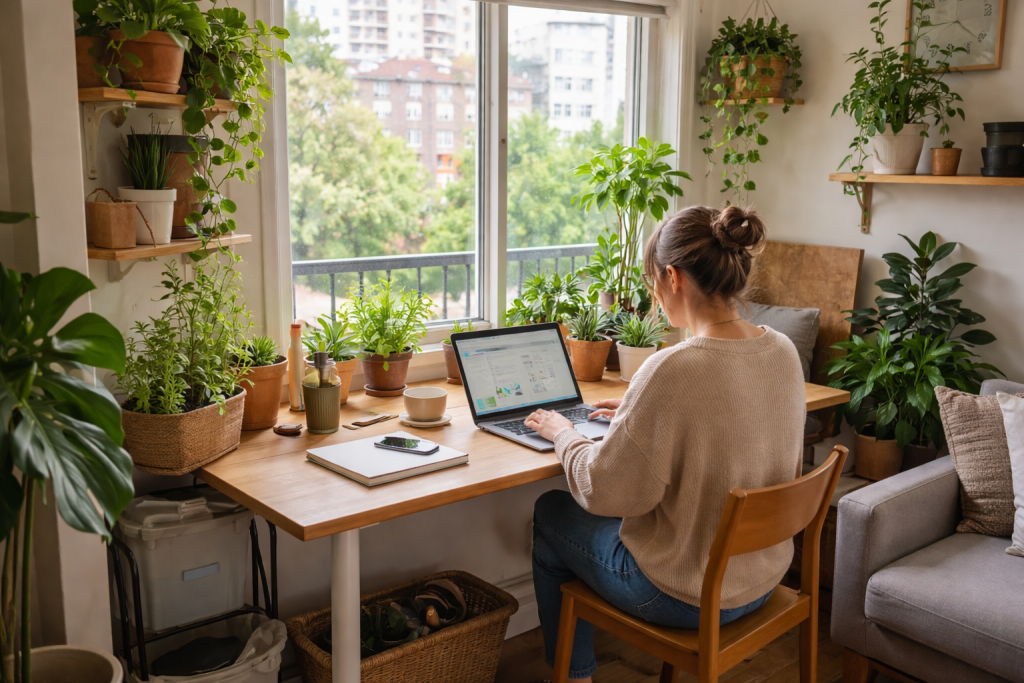
The cornerstone of sustainable living, particularly in a confined urban setting, is the conscious adoption of minimalism. It’s not about deprivation but about intentionality – curating your possessions to align with your values and needs, thereby reducing consumption and waste. Less clutter not only creates a more serene and spacious feel but also directly translates to a smaller environmental impact.
Contents
- 1 Decluttering with Purpose
- 2 Investing in Versatile and Durable Goods
- 3 Cultivating a Mini Urban Oasis
- 4 Conscious Consumption of Resources
- 5 Verticality is Your Ally
- 6 Rethinking Furniture as Storage
- 7 Reducing, Reusing, and Repurposing
- 8 Creating a Low-Waste Kitchen
- 9 Engaging with Local Initiatives
- 10 Advocating for Sustainable Change
Decluttering with Purpose
The initial step toward a minimalist, sustainable lifestyle is a thorough decluttering process. This involves evaluating each item and asking critical questions.
The “Need vs. Want” Audit
Prioritise Regularly assessing your possessions through the lens of “need versus want” is a powerful exercise. Might you genuinely need this item, or could it be a temporary desire influenced by trends or impulse? Prioritise items that serve a fundamental purpose or bring genuine joy.
The One-In, One-Out Rule
To maintain a decluttered state, implementing a “one-in, one-out” rule is highly effective. For every new item that enters your home, an existing item must be removed. This naturally limits accumulation and encourages mindful purchasing.
Investing in Versatile and Durable Goods
prioritising When you do need to acquire new items, prioritising durability and versatility is key to a sustainable approach.
Multifunctional Furniture
In small spaces, furniture that serves multiple purposes is invaluable. Think of ottomans that double as storage, sofa beds that accommodate guests, or nesting tables that can be expanded or contracted as needed. These pieces reduce the overall number of items required, maximising utility and minimising consumption.
Quality Over Quantity
Opting for well-made, durable items, even if they have a higher upfront cost, is a more sustainable choice in the long run. These products are designed to last, reducing the need for frequent replacements and the associated waste of manufacturing and disposal.
Transforming your urban dwelling into an eco-friendly haven doesn’t require a sprawling garden. There are numerous ways to integrate nature and sustainable practices within your limited indoor space, making a tangible difference.
Cultivating a Mini Urban Oasis
Bringing the outdoors in can have a profound impact on both your well-being and your environmental footprint. Plants are natural air purifiers and add a touch of life and vibrancy to any space.
Indoor Gardening for Beginners
For those new to plant care, starting with low-maintenance varieties is recommended. Snake plants, ZZ plants, and spider plants are forgiving and thrive in various light conditions, making them ideal for urban apartments.
The Benefits of Edible Plants
endeavours Consider incorporating edible plants into your indoor garden. Herbs like basil, mint, and chives can be grown on windowsills, providing fresh ingredients for your culinary endeavours and reducing your reliance on pre-packaged produce. Growing microgreens is also an excellent option for quick, nutritious harvests in minimal space.
Conscious Consumption of Resources
Even in a small urban home, mindful choices can significantly reduce daily resource consumption.
Water Conservation at Home
Simple habits can lead to substantial water savings. Please address any leaky faucets promptly, take shorter showers, and consider collecting rainwater from window boxes (if permissible) for watering indoor plants. Opt for low-flow showerheads and faucet aerators.
Energy Efficiency in Small Spaces
Even small apartments consume energy. Be mindful of your usage. Unplug electronics when not in use, utilise natural light as much as possible, and consider energy-efficient LED bulbs. For heating and cooling, ensure windows are properly sealed to prevent draughts, and consider using smart thermostats to regulate temperature more effectively.
Effective storage is not just about tidiness; it’s a critical component of sustainable living in a small space. By organising efficiently, you can avoid unnecessary purchases and make the most of what you already have.
Verticality is Your Ally
Looking upwards becomes essential when you have limited floor space. Vertical storage solutions can dramatically increase your storage capacity without encroaching on living areas.
Shelving for Every Niche
Wall-mounted shelves are a classic and versatile solution. They can be installed in almost any room, from kitchens and bathrooms to living rooms and bedrooms, providing space for books, decorative items, or even storing food staples. Corner shelves are also excellent for maximising often-overlooked spaces.
The Power of Hooks and Racks
People often underestimate the effectiveness of hooks and racks in small spaces. Install them inside cabinet doors for extra storage of cleaning supplies or kitchen utensils. Utilise wall hooks for coats, bags, and even bikes, especially if you have limited floor space. Over-the-door organisers can also provide significant storage for shoes, toiletries, or pantry items.
Rethinking Furniture as Storage
Many pieces of furniture can be chosen or adapted to serve a dual purpose of seating or surface with integrated storage.
Under-the-Bed Storage Solutions
The space beneath your bed is often a neglected storage goldmine. Utilising shallow bins or drawers specifically designed for this purpose can house seasonal clothing, extra bedding, or books, keeping them out of sight and organised.
Storage-Integrated Seating
Ottomans with hidden storage compartments are perfect for stowing away blankets, magazines, or toys while organised. toys while also providing extra seating. Benches with lift-up lids are also excellent for entryways or at the foot of a bed, offering both a place to sit and ample storage.
Being mindful of your consumption and waste management is intrinsic to living sustainably in the city. These practices are not only environmentally responsible but can also be cost-effective.
Reducing, Reusing, and Repurposing
The three R’s are fundamental to a low-impact lifestyle, and urban environments offer unique opportunities for their application.
The Art of Reusable Items
ones, Making the switch to reusable items is one of the most impactful ways to reduce waste. Invest in a good-quality reusable water bottle, coffee cup, and shopping bags. Opt for cloth napkins instead of paper ones, and consider reusable food wraps like beeswax wraps instead of cling film.
Embracing Secondhand and Swapping
Thrift stores and consignment shops are treasure troves for affordable and unique items, from clothing and furniture to books and home decor. Participating in clothing swaps or online community exchange groups can also be a great way to refresh your wardrobe or home without buying new, thereby reducing the demand for new production and its associated environmental cost.
Creating a Low-Waste Kitchen
The kitchen is often the hub of household waste generation, making it a prime area for sustainable intervention.
Composting in Compact Spaces
Even without a backyard, composting is achievable. Small, indoor composting systems, such as worm bins (vermicomposting) or bokashi bins, can effectively break down food scraps into nutrient-rich compost that can be used for indoor plants or donated to community gardens.
Bulk Buying and Zero-Waste Shopping
specialise Seek out grocery stores or co-ops that offer bulk bins, allowing you to purchase dry goods like grains, nuts, and spices in your own reusable containers. This significantly reduces packaging waste. Many cities are also seeing a rise in zero-waste stores that specialise in unpackaged goods.
Sustainable living is not just a personal journey; it’s a collective effort. Being part of a vibrant community as an urban dweller offers a unique advantage that can enhance your sustainable impact.
Engaging with Local Initiatives
organisations: many cities offer a wealth of sustainability-focused initiatives and organisations that welcome community participation.
Farmers Supporting Local Farmers’ Markets
Shopping at local farmers’ markets not only provides you with fresh, seasonal produce but also supports local agriculture, reduces transportation emissions, and builds a sense of community. Bringing your own reusable bags and containers to the market further enhances its sustainability.
Participating in Community Gardens and Cleanups
neighbourhood Joining a community garden, even a small one, can provide a shared space for growing food and connecting with like-minded individuals. Participating in local park cleanups or neighbourhood greening projects directly contributes to the well-being of your urban environment.
Advocating for Sustainable Change
Your voice as a citizen can be a powerful tool for driving broader sustainable change within your city.
Engaging with Local Government
Staying informed about local environmental policies and contacting your elected officials to express your support for sustainable initiatives can have a ripple effect. This could include advocating for better public transportation, more green spaces, or improved waste management systems.
Educating and Inspiring Others
By living a sustainable lifestyle visibly and sharing your experiences, you can inspire those around you. This doesn’t require grand gestures; it can be as simple as conversations with neighbours about your composting efforts or sharing tips on reducing energy consumption.
In conclusion, it is evident that the perception of small spaces as a limitation to sustainable living is a misconception. By embracing minimalism, carefully curating our possessions, and making conscious choices about consumption and resource use, urban dwellers can transform their compact homes into exemplifications of eco-friendly living. The principles of reducing, reusing, and recycling, coupled with smart storage solutions and a commitment to supporting local initiatives, empower individuals to make a significant positive impact. Ultimately, sustainable urban living is about more than just the size of your dwelling; it’s about the size of your commitment to the planet and the creativity and intention you bring to your daily choices. A small space, when filled with sustainable purpose, can indeed deliver a remarkably big impact.

GoLiveXora is managed by a passionate content creator dedicated to helping people improve their everyday lives through practical knowledge and modern solutions.