The Ultimate Guide to Creating a Professional LinkedIn Profile That Attracts Opportunities
In today’s interconnected professional landscape, a meticulously crafted LinkedIn profile isn’t merely a digital resume; it’s a dynamic platform that actively attracts career-defining opportunities. It serves as your professional brand’s cornerstone, offering a window into your expertise, achievements, and aspirations for recruiters, hiring managers, and industry peers alike. Understanding the profound impact of a well-optimised LinkedIn presence is the first step toward unlocking its immense potential.
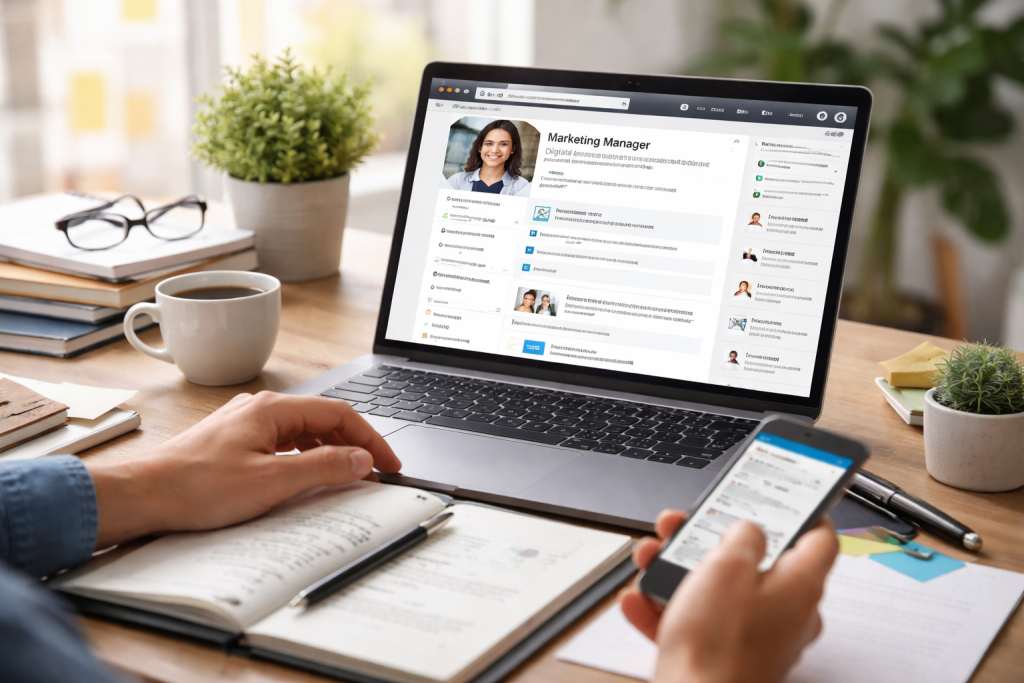
In an era where digital first impressions hold significant weight, your LinkedIn profile often precedes your physical presence. It’s the modern business card, a comprehensive portfolio, and a powerful networking tool rolled into one. For many employers, it’s the primary screening mechanism, offering insights beyond the bullet points of a traditional CV. A professional LinkedIn profile demonstrates your commitment to your career, your understanding of industry trends, and your ability to present yourself effectively in a professional context.
Contents
- 1 The Digital First Impression
- 2 Your Online Professional Brand Ambassador
- 3 A Powerful Networking and Research Tool
- 4 Optimizing Your LinkedIn Headline for Search and Impact
- 5 Writing an Engaging and Keyword-Rich Summary
- 6 Detailing Your Work Experience with Achievements
- 7 Highlighting Key Skills and Gaining Endorsements
- 8 The Power of LinkedIn Recommendations
- 9 Strategic Endorsements for Skill Validation
- 10 Enhancing Your Profile with Visual Elements
- 11 Showcasing Projects and Achievements with Multimedia
- 12 Building a Diverse and Relevant Network
- 13 Engaging Meaningfully with Your Connections and Industry
- 14 Regularly Updating Your Profile Information
- 15 Sharing Valuable Content and Participating in Discussions
The Digital First Impression
Consider the scenario where a hiring manager receives dozens, if not hundreds, of applications for a single role. After a quick scan of the resume, they often turn to LinkedIn as their first point of contact. A professional, well-maintained profile reinforces your application, showcasing a consistent and credible personal brand. Conversely, an incomplete or poorly optimised profile can raise red flags, suggesting a lack of attention to detail or a disinterest in actively managing one’s professional image. It’s not just about what you say, but how you present it.
Your Online Professional Brand Ambassador
Your LinkedIn profile acts as a 24/7 ambassador for your professional brand. It allows you to control the narrative of your career, highlighting your strengths, values, and career trajectory. This isn’t just about finding a new job; it’s about building long-term recognition within your industry. A strong brand influences opportunities, collaborations, and even speaking engagements. It establishes you as a thought leader and an authority in your field, creating opportunities that might otherwise remain closed.
A Powerful Networking and Research Tool
Beyond its role in job applications, LinkedIn serves as an unparalleled networking platform. It allows you to connect with industry leaders, former colleagues, and potential mentors. Furthermore, it’s an invaluable research tool. You can explore companies, understand industry trends, and discover potential career paths. A professional profile makes these interactions more meaningful, as your connections can instantly grasp your background and expertise through your comprehensive online presence.
Your LinkedIn headline and summary are arguably the two most crucial elements of your profile. They are your digital elevator pitch, concise yet powerful statements that immediately convey your value proposition. They determine whether a recruiter or connection will investigate your profile or simply scroll past.
Optimizing Your LinkedIn Headline for Search and Impact
Your headline, appearing directly below your name, is often the first text people see. It needs to be keyword-rich, reflecting your current role, industry, and key specialisations. Instead of simply stating your job title, consider what value you bring or what problems you solve. For instance, instead of “Marketing Manager”, a more compelling headline might be “Marketing Manager | Driving Digital Growth & Brand Strategy | SaaS & Fintech Expert”. This immediately communicates your areas of expertise and impact, essential for attracting relevant searches. Think about the terms a recruiter would use to find someone with your skills.
Writing an Engaging and Keyword-Rich Summary
The summary section is your opportunity to tell your professional story in a more narrative format. It should be an engaging overview of your career, highlighting your key achievements, skills, and career aspirations. Use a conversational tone, but ensure it’s packed with relevant keywords that align with your target roles or industry. Think of it as a mini-biography that succinctly answers, “Who are you professionally, and what value do you bring?” Break it into digestible paragraphs, perhaps starting with a strong hook, outlining your core competencies, and concluding with a call to action or a statement about your career goals. Avoid jargon where possible, but use industry-specific terms strategically to demonstrate your expertise.
The ‘Experience’ and ‘Skills’ sections are the backbone of your LinkedIn profile, providing concrete evidence of your capabilities and accomplishments. These sections need to be meticulously detailed, quantifiable where possible, and strategically optimised for scanning by busy professionals.
Detailing Your Work Experience with Achievements
For each role listed, go beyond a mere job description. Instead, focus on your achievements and the impact you made. Use action verbs and quantifiable results whenever possible. For example, instead of “Managed social media campaigns”, write “Increased social media engagement by 25% across all platforms, leading to a 10% rise in qualified leads.” This approach demonstrates tangible value. Outline your responsibilities, but always pivot to the outcomes and contributions. Consider the STAR method (Situation, Task, Action, Result) to structure your descriptions, making them clear, concise, and compelling. Customise your bullet points to emphasise skills that are pertinent to the opportunities you are pursuing.
Highlighting Key Skills and Gaining Endorsements
recognisedThe ‘Skills’ section is crucial for searchability. Populate this section with a comprehensive list of your hard and soft skills. Think beyond technical abilities; include communication, leadership, problem-solving, and adaptability. LinkedIn allows you to order your skills by importance, so prioritize those most relevant to your career goals. Actively seek endorsements for your skills from colleagues, managers, and clients. Endorsements add credibility, signalling to others that your claimed skills are recognized by your professional network. Be proactive in endorsing others within your network, as they are often inclined to reciprocate.
Recommendations and endorsements serve as powerful social proof, validating your professional capabilities and ethical conduct. They are third-party testimonials that significantly boost your profile’s credibility and trustworthiness.
The Power of LinkedIn Recommendations
Recommendations are personalised testimonials written by people who have worked with you. They offer a nuanced perspective on your work ethic, interpersonal skills, and specific contributions. Aim to get recommendations from former managers, senior colleagues, and clients who can speak eloquently about your strengths. When requesting a recommendation, make it easy for the recommender by suggesting key projects or skills you’d like them to highlight. Offer to write a recommendation for them in return. A profile with several thoughtful, well-written recommendations stands out significantly from one without. They add a human element to your professional narrative.
Strategic Endorsements for Skill Validation
While recommendations offer narrative depth, endorsements provide quick, visual cues about your proficiency in specific areas. Actively manage your skills section to ensure your most important skills are at the top and have the most endorsements. Don’t be shy about asking colleagues to endorse you for skills they know you possess. Conversely, be generous in endorsing others. This fosters a collaborative spirit and often leads to reciprocity, strengthening your overall profile. Regularly review your endorsements to ensure they accurately reflect your current skill set and career aspirations.
In a visually driven world, incorporating multimedia and visual content into your LinkedIn profile can significantly enhance engagement and leave a lasting impression. It allows you to showcase your work in a more dynamic and engaging way than plain text ever could.
Enhancing Your Profile with Visual Elements
Your profile photo is your first visual impression. Invest in a professional, high-quality headshot that is well-lit and portrays you as approachable and confident. Avoid selfies, group photos, or overly casual images. Your background photo, while optional, offers another opportunity to reinforce your brand. Use it to convey your industry, company, or professional aspirations. A professional, custom banner can make your profile immediately more distinctive and memorable.
Showcasing Projects and Achievements with Multimedia
LinkedIn allows you to upload various media files to your experience sections, including documents, videos, presentations, and links to projects or portfolios. This is an incredible opportunity to bring your work to life. If you’ve contributed to a published article, include a link. If you’ve designed a successful marketing campaign, upload relevant visuals or a video explaining the concept and results. For designers and artists, this is an obvious avenue to showcase their portfolios directly. Even for those in less ‘visual’ roles, a well-designed presentation outlining a successful project or a video explaining a complex concept can demonstrate communication skills and project ownership effectively. This visual proof adds depth and credibility to your claims, making your profile more engaging and memorable.
A professional LinkedIn profile is a powerful tool, but its full potential is unlocked through active and strategic networking. Connecting with the right people and engaging meaningfully with your network can open doors to unforeseen opportunities.
Building a Diverse and Relevant Network
Don’t just collect connections; curate them. Aim to connect with industry leaders, mentors, former colleagues, and individuals in companies or roles that interest you. When sending a connection request to someone you don’t know personally, always include a personalised message explaining why you want to connect. Reference a shared interest, a common connection, or a piece of their content that resonated with you. A generic connection request is rarely effective. Focus on quality over quantity. A smaller, highly relevant network is often more valuable than a vast network of distant acquaintances.
Engaging Meaningfully with Your Connections and Industry
Networking on LinkedIn isn’t a passive activity. Regularly engage with your connections’ posts by liking, commenting, and sharing. Offer insightful comments that add value to the conversation. Share relevant industry news, articles, or your own professional insights. This positions you as an active and knowledgeable member of your professional community. Participate in relevant LinkedIn Groups, contributing to discussions and asking thoughtful questions. The more you engage, the more visible you become, and the more opportunities are likely to come your way. Think of LinkedIn as a professional community where contributing to the collective knowledge benefits everyone.
A professional LinkedIn profile isn’t a static document; it’s a living, evolving representation of your career. Consistent maintenance and engagement are crucial to ensure it remains relevant, up-to-date, and an active magnet for opportunities.
Regularly Updating Your Profile Information
Your career progresses, and so should your LinkedIn profile. Make it a habit to regularly review and update your experience section with new achievements, refine your skills list, and add any new certifications or educational qualifications. If your career goals shift, adjust your headline and summary to reflect these changes. An outdated profile suggests a lack of attention to your professional brand, potentially undermining your credibility. Treat your profile as a dynamic organism that needs occasional tending to thrive.
Sharing Valuable Content and Participating in Discussions
Beyond updating your personal information, an engaging presence involves actively contributing to the LinkedIn ecosystem. Share articles, thought leadership pieces, or industry news that you find insightful. Offer your perspective on current trends or challenges within your field. This demonstrates your expertise and keeps your profile active in your connections’ feeds. Participate in relevant groups, offer advice, and ask intelligent questions. Your consistent presence and thoughtful contributions position you as a valuable resource and an engaged professional, significantly enhancing your visibility and attraction to opportunities. It’s about being seen as a contributor, not just a consumer, of professional knowledge.

GoLiveXora is managed by a passionate content creator dedicated to helping people improve their everyday lives through practical knowledge and modern solutions.