
Tech on a Budget: 5 Must-Have Affordable Smart Home Gadgets
The allure of a smart home is undeniable. Imagine lights that dim automatically as you settle in for a movie, a thermostat that learns your schedule and optimises energy use, or the convenience of controlling your appliances with just your voice. For many, however, the dream of a connected living space conjures images of exorbitant price tags and complex installations. The good news is that the smart home revolution is no longer the exclusive domain of the tech-savvy elite with deep pockets. A wealth of innovative and surprisingly affordable gadgets are now available, making it easier than ever to dip your toes into the world of home automation without breaking the bank. This exploration will delve into the exciting possibilities of building a smart home on a budget, highlighting essential devices that offer significant bang for your buck and demonstrating how transformative even a few well-chosen gadgets can be.
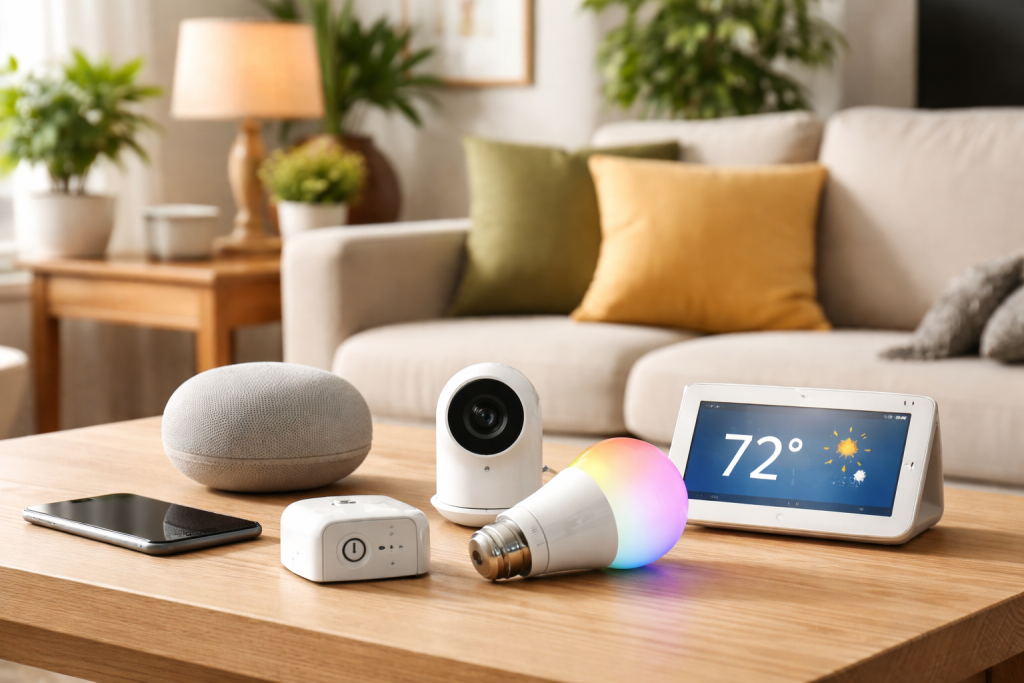
The concept of a “smart home” has evolved dramatically. Once confined to high-end installations and custom programming, it now encompasses a wide array of easily accessible devices that communicate with each other and with us, often through our smartphones. At its core, a smart home integrates technology to enhance convenience, security, energy efficiency, and entertainment. This is achieved through various interconnected devices, each performing a specific function but working in concert to create a more responsive and personalised living environment. From simple smart plugs that bring everyday appliances into the connected fold to sophisticated security cameras that offer peace of mind, the spectrum of smart home technology is broad and constantly expanding.
Contents
- 1 Redefining Convenience at Home
- 2 Enhancing Security and Peace of Mind
- 3 Optimizing Energy Efficiency and Savings
- 4 Smart Plugs: The Gateway to Automation
- 5 Smart Bulbs: Illuminating Your Home Intelligently
- 6 Smart Assistants: The Brains of the Operation
- 7 Smart Security Cameras (Indoor): Eyes on Your Home
- 8 Smart Doorbells (Basic Models): Greet Visitors Smartly
- 9 Start with a Central Hub and Essential Devices
- 10 Prioritize Functionality That Solves a Problem
- 11 Expand Gradually and Look for Deals
- 12 Increased Convenience in Daily Life
- 13 Enhanced Home Security and Surveillance
- 14 Potential for Energy Savings and Reduced Utility Costs
- 15 Smart Plugs: Versatility vs. Specificity
- 16 Smart Bulbs: Ambiance vs. Utility
- 17 Smart Assistants: Ecosystem Integration and Feature Set
- 18 Assess Your Needs and Priorities
- 19 Invest in Compatibility and Ecosystem
- 20 Read Reviews and Research Brands
Redefining Convenience at Home
The primary appeal of smart home technology lies in its ability to streamline daily tasks and offer unparalleled convenience. Think about the simple act of turning off lights as you leave a room or adjusting the thermostat from the comfort of your bed. These minor conveniences, when automated, contribute significantly to a more relaxed and effortless lifestyle. Voice assistants, powered by platforms like Amazon Alexa and Google Assistant, act as the central nervous system for many smart homes, allowing users to control a multitude of devices with spoken commands. This hands-free operation is particularly beneficial when your hands are full or when you simply want to issue instructions without reaching for your phone. The integration of smart devices can create personalised routines, such as a “good morning” scene that gradually illuminates your bedroom, brews your coffee, and provides a news update, all initiated by a single command or at a preset time. This level of personalised control and automation was once the stuff of science fiction, but it’s now within reach for many households.
Enhancing Security and Peace of Mind
Beyond convenience, smart home technology offers significant improvements in home security. Smart doorbells equipped with cameras allow you to see and speak to visitors from anywhere in the world, deterring potential intruders and providing an added layer of safety for your family. Smart locks offer keyless entry, enabling you to grant access to trusted individuals remotely and monitor who enters and exits your home. Smart security cameras provide real-time surveillance, allowing you to check in on your property at any time, and many systems offer motion detection and alert notifications to your smartphone. This proactive approach to security, coupled with remote monitoring capabilities, can provide a profound sense of peace of mind, knowing your home is protected even when you’re away.
Optimizing Energy Efficiency and Savings
The environmental and economic benefits of a smart home are also substantial, particularly in terms of energy efficiency. Smart thermostats learn your occupancy patterns and adjust heating and cooling accordingly, preventing wasted energy when you’re not at home. Smart lighting systems can be programmed to turn off automatically in unoccupied rooms and dim to conserve energy. Even simple smart plugs can be used to monitor and control the energy consumption of various appliances, revealing “energy vampires” that drain power even when not in use. Over time, these small adjustments can lead to significant reductions in energy bills, making the initial investment in smart technology not only a matter of convenience but also a wise financial decision.
The notion that smart home technology is exclusively for the affluent is a myth that’s rapidly dissolving. The market is now flooded with a diverse range of affordable options that cater to every budget, from the absolute beginner to the more discerning enthusiast. The key is to identify the devices that offer the most impact for the least cost, focusing on functionality and ease of integration.
Smart Plugs: The Gateway to Automation
Among the most accessible and versatile smart home devices are smart plugs. These unassuming adapters allow you to transform any ordinary appliance into a smart one. Simply plug your lamp, fan, coffee maker, or even a string of fairy lights into a smart plug, and then connect the plug to your home Wi-Fi network. With a companion app or voice commands, you can then turn the connected appliance on or off remotely, set schedules, or even monitor its energy consumption. For a few dollars per plug, you can imbue your existing electronics with a new level of intelligence and control, making them an indispensable starting point for anyone looking to automate their home affordably.
Voice Control Integration
When you integrate smart plugs with voice assistants, they unlock their true magic. Imagine being able to say, “Alexa, turn on the living room lamp,” or “Hey Google, start the fan.” This seamless integration transforms a basic appliance into a responsive component of your smart ecosystem, enhancing convenience and accessibility. The ability to control multiple devices with simple voice commands eliminates the need to navigate through apps, making the smart home experience far more intuitive and enjoyable.
Scheduling and Timers for Added Convenience
Beyond on-demand control, smart plugs offer powerful scheduling and timer functionalities. This means you can automate tasks without even thinking about them. For example, you can set your coffee maker to start brewing precisely when you want to wake up, ensuring a fresh cup of coffee is ready the moment you step out of bed. Similarly, you can program outdoor lights to turn on at dusk and off at dawn, providing automated security and ambience. These scheduled routines can simplify your daily life and add an extra layer of automation to your home.
Smart Bulbs: Illuminating Your Home Intelligently
Smart light bulbs are another excellent and increasingly affordable entry point to the smart home. While a single smart bulb might cost a bit more than a traditional LED bulb, the benefits they offer can quickly justify the investment. You can connect these bulbs to your Wi-Fi network and control them using a smartphone app or voice commands.
Color and Brightness Control
The ability to adjust both the brightness and colour of your lighting is a game-changer. You can dim lights for a cosy movie night, brighten them for focused work, or even change the colour to set a specific mood. Many smart bulbs offer a vast spectrum of colours, allowing for creative lighting designs and personalised ambiances. This level of dynamic control over your home’s illumination elevates the living experience and can even contribute to improved well-being.
Energy Savings and Longevity
Like their traditional LED counterparts, smart bulbs are inherently energy-efficient and boast a long lifespan. When combined with their programmable features, such as automatic dimming or turning off when a room is unoccupied, further energy savings can be realised. Remote control of your lights not only provides convenience but also helps prevent accidental light left-on situations, thereby reducing electricity consumption.
The idea of building a comprehensive smart home might seem daunting, but the reality is that you can acquire several impactful devices for under $100 each. These gadgets provide substantial functionality and can significantly enhance your daily life, demonstrating that a smart home doesn’t have to be expensive.
Smart Assistants: The Brains of the Operation
A smart speaker, such as an Amazon Echo Dot or a Google Nest Mini, is arguably the most essential smart home gadget, especially on a budget. These devices serve as voice-controlled hubs that allow you to interact with other smart devices, ask questions, play music, set timers, and much more. They are the gateway to a hands-free smart home experience and are frequently available for under $50, making them an exceptionally high-value investment.
Setting Reminders and Alarms
The utility of a smart assistant extends far beyond controlling other devices. They excel at managing your schedule and ensuring you don’t forget important tasks. With a simple voice command, you can effortlessly set reminders for appointments, medication, or even to take a break. The ability to set multiple alarms for different purposes, such as waking up, cooking, or leaving for an appointment, adds another layer of organisational convenience.
Accessing Information and Entertainment
Beyond organisation, smart assistants provide instant access to a wealth of information and entertainment. You can ask for weather forecasts, traffic updates, news headlines, or the latest sports scores. They can also stream music from popular services, play podcasts, and even tell jokes, transforming them into a versatile companion for your household.
Smart Security Cameras (Indoor): Eyes on Your Home
For enhanced peace of mind, an affordable indoor smart security camera can be an excellent addition to your smart home setup. These cameras typically connect to your Wi-Fi and offer features like live streaming, motion detection, and two-way audio, all controllable through a smartphone app. Many reputable brands offer decent indoor cameras for under $70, offering a valuable layer of security and the ability to monitor pets or children when you’re not home.
Remote Monitoring and Live Viewing
The primary benefit of an indoor smart camera is the ability to monitor your home remotely. Whether you’re at work, on vacation, or simply running errands, you can access a live video feed of your home directly on your smartphone. This offers reassurance and allows you to check in on your pets or children or simply confirm that everything is as it should be.
Motion Detection and Alerts
Most smart security cameras come equipped with motion detection capabilities. When the camera senses movement within its field of view, it can send an alert to your smartphone, allowing you to investigate immediately. This proactive notification system can be invaluable in deterring potential intruders or alerting you to unexpected activity within your home.
Smart Doorbells (Basic Models): Greet Visitors Smartly
While high-end video doorbells can be pricey, more basic smart doorbell models that offer two-way audio and motion detection are now available for around the $100 mark. These devices replace your traditional doorbell and connect to your Wi-Fi, allowing you to hear and speak to visitors at your door from your smartphone, even when you’re not home.
Two-Way Communication with Visitors
The ability to communicate with someone at your doorstep without opening the door provides a significant security and convenience benefit. You can answer the door for deliveries when you’re not home, screen unwanted visitors, or simply have a conversation with a friend or family member without having to be physically present.
Deterrence of Unwanted Solicitations
The presence of a smart doorbell itself can act as a deterrent to opportunistic individuals. Knowing they are being recorded and can be contacted may deter porch pirates or persistent salespeople.
Embarking on the journey of smart home transformation doesn’t necessitate a complete overhaul of your existing infrastructure or a massive financial outlay. A strategic approach, focusing on affordable yet impactful gadgets, can lead to a significantly more connected and automated living space without breaking the bank. The key lies in prioritising functionality and gradual expansion.
Start with a Central Hub and Essential Devices
The most logical starting point for any budget-conscious smart home builder is a smart assistant, such as an Amazon Echo Dot or Google Nest Mini. These devices are relatively inexpensive and serve as the central command for your growing ecosystem. Once you have your hub, you can then introduce a few smart plugs and smart bulbs. These two categories offer the most immediate and noticeable improvements in convenience and ambiance, and they are remarkably affordable. By controlling your existing lamps, fans, and small appliances with your voice or through scheduled routines, you begin to experience the core benefits of a smart home without significant upfront investment in new appliances.
Prioritize Functionality That Solves a Problem
When considering which gadgets to acquire next, it’s wise to think about what “problems” you want to solve or what aspects of your daily routine you want to simplify. Are you tired of fumbling for light switches in the dark? Smart bulbs are your answer. Do you want to ensure your coffee is ready when you wake up without having to get out of bed? A smart plug for your coffee maker is the solution. Are you concerned about home security? An affordable indoor camera can provide valuable surveillance. By focusing on gadgets that address specific needs, you ensure that your smart home investments are practical and bring tangible benefits.
Expand Gradually and Look for Deals
The beauty of building a smart home on a budget is that you can expand your system at your own pace. Don’t feel pressured to acquire everything at once. As your budget allows, you can gradually add more devices. Furthermore, keep an eye out for sales and promotions. Technology companies frequently offer discounts on their smart home devices, especially during major shopping events like Black Friday or Prime Day. By being patient and strategic, you can acquire high-quality smart home technology at even more attractive prices. This phased approach not only makes the financial aspect manageable but also allows you to learn and adapt as you integrate new devices into your home.
The proliferation of affordable smart home gadgets has democratised the benefits of home automation, making them accessible to a much wider audience. These devices offer a compelling combination of convenience, enhanced security, and potential cost savings, all without demanding a substantial financial commitment.
Increased Convenience in Daily Life
The most immediate and noticeable benefit of affordable smart home gadgets is the sheer increase in convenience they bring to everyday life. Imagine being able to turn off all the lights in your house with a single voice command as you head to bed, or having your smart speaker read you the news headlines while you prepare breakfast. These small efficiencies, when automated, accumulate to create a more relaxed and effortless living experience. The ability to control various aspects of your home remotely, whether it’s adjusting the thermostat before you arrive home or checking if you left an appliance on, eliminates minor stresses and frees up mental energy. This constant subtle optimisation of your environment contributes to a higher quality of life.
Enhanced Home Security and Surveillance
Even budget-friendly smart home devices can significantly bolster your home’s security. Affordable indoor cameras allow for remote monitoring, providing peace of mind by enabling you to check in on your home and loved ones from anywhere. Smart doorbells, even basic models, offer a layer of protection by allowing you to see and speak with visitors before opening the door, deterring potential threats and ensuring that you are aware of who is at your property. These devices act as a digital guardian, extending your awareness and control beyond the physical confines of your home.
Potential for Energy Savings and Reduced Utility Costs
Many affordable smart home gadgets are designed with energy efficiency in mind, which can translate into tangible savings on your utility bills. Smart plugs can help identify and manage “energy vampires” – devices that consume power even when turned off. Smart bulbs, being LED-based, are inherently energy-efficient, and their programmable nature allows for further reductions in consumption by ensuring lights are only on when needed and at the desired brightness. Smart thermostats, even simpler models, can learn your routines and optimise heating and cooling, preventing unnecessary energy expenditure when you’re away or asleep. Over time, these small but consistent savings can offset the initial investment in smart technology.
When embarking on the path to an affordable smart home, understanding the landscape of available budget-friendly gadgets is crucial. While many devices offer similar core functionalities, subtle differences in features, integration capabilities, and user experience can make one a better fit for your needs than another.
Smart Plugs: Versatility vs. Specificity
Smart Plugs are the ultimate budget-friendly Swiss Army knife of the smart home. For a very low cost per unit, they offer a universal solution for making almost any appliance smart. Their strength lies in their sheer versatility; a single smart plug can transform a humble lamp, a desk fan, or even a charging station into a remotely controllable device. Look for plugs that offer energy monitoring if that’s a priority, as this adds another layer of valuable data. Integration with major voice assistants like Alexa and Google Assistant is nearly ubiquitous at this price point, making them immensely user-friendly.
Smart Bulbs: Ambiance vs. Utility
Smart Bulbs offer a more focused approach to smart home integration, specifically targeting illumination. The key differentiator here often lies in the colour capabilities. While basic white-only smart bulbs are exceedingly affordable and excellent for simple automation like turning lights on and off on a schedule, full-colour smart bulbs offer a more immersive experience, allowing for mood lighting and creative expression. Consider how much you value dynamic colour control versus the fundamental ability to switch lights on and off remotely. Many starter kits for smart bulbs come with a hub that might be necessary for some brands, adding a slightly higher initial cost but often providing more robust connectivity options and expanding the ecosystem’s potential.
Smart Assistants: Ecosystem Integration and Feature Set
Smart Assistants like the Amazon Echo Dot and Google Nest Mini are the foundational elements of most budget smart home setups. While both offer similar core functionalities like voice control, setting reminders, and playing music, the choice often comes down to the ecosystem you’re most invested in or plan to build around. If you primarily use other Amazon services, an Echo Dot might be the natural choice, as it integrates seamlessly with them. Similarly, if you’re a heavy user of Google services like Gmail and YouTube, a Nest Mini might be more beneficial. Beyond brand preference, consider the speaker quality if audio playback is a primary use case, though for basic control, either will suffice.
Navigating the vast and ever-expanding market of affordable smart home gadgets can feel overwhelming. However, by adopting a strategic mindset and adhering to a few key principles, you can make informed decisions that will lead to a functional, enjoyable, and budget-friendly smart home experience.
Assess Your Needs and Priorities
Before you make any purchases, take a step back and consider what you realistically want to achieve with your smart home. Are you primarily looking to enhance convenience, improve security, increase energy efficiency, or elevate your home entertainment? Identifying your core needs will help you prioritise which types of gadgets will offer the most immediate benefits. For example, if security is your top concern, you might want to invest in a smart doorbell and an indoor camera before focusing on smart lighting. Conversely, if convenience is paramount, smart plugs and a smart assistant might be your first acquisitions.
Invest in Compatibility and Ecosystem
One of the most critical considerations for long-term smart home satisfaction is compatibility. Ensure that the gadgets you choose will work seamlessly with your existing devices and, more importantly, with your chosen smart assistant. Most affordable gadgets are designed to be compatible with either Amazon Alexa or Google Assistant, so make sure your smart assistant can control the devices you intend to purchase. Stepping into a specific ecosystem, whether it’s Amazon’s or Google’s, will simplify management and allow for more integrated routines and automation. Trying to mix and match too many disparate brands without a clear compatibility plan can lead to frustration and a fragmented user experience.
Read Reviews and Research Brands
The internet is a treasure trove of information, and taking the time to read reviews from other consumers can be invaluable. Look for feedback on product reliability, ease of setup, app performance, and overall user satisfaction. Pay attention to reviews that address the specific features you’re most interested in. Additionally, research the reputation of the brands offering these affordable gadgets. While you might be drawn to the lowest price, consider brands with a track record of decent customer support and regular software updates, as these factors can significantly impact your long-term experience with the product. A slightly higher investment in a reputable brand can often prevent headaches down the line.

GoLiveXora is managed by a passionate content creator dedicated to helping people improve their everyday lives through practical knowledge and modern solutions.