
Mastering Automation: How to Streamline Your Daily Home Routine
The modern home is increasingly becoming a hub of intelligent technology, offering a glimpse into a future where convenience and efficiency are paramount. Mastering automation within your daily home routine isn’t just a trend; it’s a transformation of how we interact with our living spaces. By strategically implementing smart devices and automated processes, you can reclaim valuable time, reduce mental clutter, and create an environment that truly caters to your needs. This journey begins with learning about the fundamental advantages of home automation and progresses through thoughtful selection of tools, meticulous planning, and seamless integration.
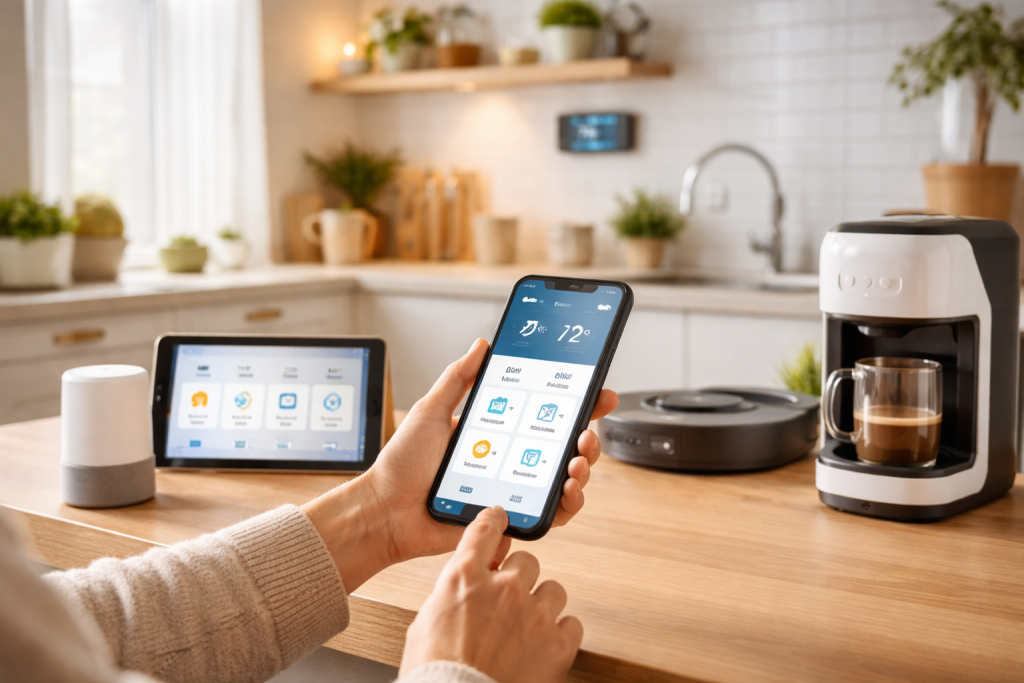
The allure of home automation lies in its potential to significantly enhance our quality of life. At its core, automation is about delegating repetitive and time-consuming tasks to technology, freeing up your cognitive load and your physical energy. Imagine waking up to gentle light gradually illuminating your room, your favourite coffee brewing automatically, and your news briefing playing softly – all before you even have to think about it. This isn’t science fiction; it’s the tangible reality that well-implemented home automation can provide. The benefits extend far beyond mere convenience, touching upon security, comfort, and even financial savings.
Contents
- 1 Enhanced Convenience and Time Savings
- 2 Improved Home Security and Peace of Mind
- 3 Increased Comfort and Personalized Living Environments
- 4 Accessibility for All
- 5 Understanding Different Types of Smart Devices
- 6 Hubs vs. Hub-less Systems: Finding the Right Ecosystem
- 7 Compatibility and Interoperability: The Key to a Seamless System
- 8 Voice Control Integration: The Power of Your Voice
- 9 Considering Future Scalability and Expandability
- 10 Identifying Your Daily Routines and Triggers
- 11 Setting Up Time-Based Automations
- 12 Utilizing Geofencing for Location-Based Control
- 13 Creating Scene-Based Automations
- 14 Integrating Sensor-Based Triggers for Dynamic Responses
- 15 Establishing a Central Control Point
- 16 Utilizing Smart Home Apps for Comprehensive Management
- 17 Creating Custom Routines and Automations Within Platforms
- 18 Leveraging IFTTT for Advanced Interconnectivity
- 19 Ensuring Network Stability and Connectivity
- 20 Smart Thermostats for Optimized Heating and Cooling
- 21 Automated Lighting Control and Dimming
- 22 Smart Plugs for Appliance Management
- 23 Monitoring Energy Usage and Identifying Waste
- 24 Optimizing Water Usage with Smart Devices
- 25 Connectivity Issues: The Usual Suspect
- 26 Device Pairing or Setup Problems
- 27 Automation Not Triggering as Expected
- 28 Voice Command Issues
- 29 System-Wide Outages
- 30 Artificial Intelligence and Machine Learning Integration
- 31 Enhanced Interoperability and Standardization
- 32 Advanced Sensors and Contextual Awareness
- 33 Natural Language Processing and Conversational Interfaces
- 34 Increased Focus on Security and Privacy
Enhanced Convenience and Time Savings
The most immediate and noticeable benefit of home automation is the sheer convenience it offers. Tasks that once demanded your direct attention, from adjusting thermostats to turning off lights, can now be managed with a tap on your smartphone or, even better, can happen automatically based on your predefined preferences or external triggers. This translates directly into saved time, allowing you to focus on what truly matters – spending time with loved ones, pursuing hobbies, or simply relaxing. Consider the morning rush. Instead of a frantic scramble, your home can orchestrate a smooth transition from sleep to wakefulness, easing you into your day with preset lighting scenes and your preferred temperature.
Improved Home Security and Peace of Mind
Home automation plays a crucial role in bolstering your home’s security. Smart locks can be remotely controlled, allowing you to grant access to trusted individuals without being physically present. Motion sensors can trigger alerts to your phone, notifying you of any unusual activity. Smart cameras provide real-time surveillance, accessible from anywhere, offering an invaluable layer of oversight. The ability to remotely monitor your home, receive instant notifications of potential intrusions, and even deter them with smart lighting or audible alarms brings an unparalleled sense of peace of mind, whether you’re at work or on vacation.
Increased Comfort and Personalized Living Environments
Beyond practicality, home automation allows for a deeply personalised living experience. You can create custom “scenes” that adjust lighting, temperature, and even ambient music to suit specific moods or activities. A “movie night” scene might dim the lights, lower the blinds, and turn on your entertainment system, transforming your living room into a cinematic sanctuary. Similarly, a “wake-up” scene can gradually increase light and slowly raise the temperature to a comfortable level, mimicking a natural sunrise and easing you into your day. This level of customisation ensures your home always feels just right, adapting to your every need.
Accessibility for All
Home automation significantly benefits individuals with mobility issues or other disabilities. Voice-controlled devices allow for hands-free operation of lights, appliances, and entertainment systems, enabling greater independence and ease of living. Automated routines can simplify complex tasks, making daily routines more manageable and less physically demanding. This technology empowers individuals to live more autonomously and comfortably in their own homes.
The world of smart home technology can seem overwhelming with its vast array of devices and platforms. Selecting the right tools is crucial for building a cohesive and functional automated system. It’s not about acquiring every gadget; it’s about choosing devices that integrate well, meet your specific needs, and offer longevity. A careful assessment of your current home setup and your desired automation goals will guide you toward the most suitable choices.
Understanding Different Types of Smart Devices
The spectrum of smart devices is broad, encompassing everything from lighting and thermostats to security cameras and kitchen appliances. Smart bulbs offer customisable lighting options, while smart plugs can turn any ordinary appliance into a controllable device. Smart thermostats learn your habits and optimise temperature control for comfort and efficiency. Smart speakers, often acting as central hubs, allow for voice control of connected devices. Understanding the function and purpose of each device type is the first step in making informed decisions.
Hubs vs. Hub-less Systems: Finding the Right Ecosystem
Many smart home systems rely on a central hub, a device that acts as a translator and coordinator for all your smart devices. Hubs can offer more robust control, advanced automation capabilities, and better device compatibility. Examples include Amazon Echo with its built-in hub capabilities, Google Nest Hub, and dedicated smart home hubs like Samsung SmartThings. Alternatively, some devices can operate independently or connect directly to your Wi-Fi network, offering a simpler setup but potentially limited integration. Consider the complexity of your desired automation and the number of devices you plan to install when making this decision.
Compatibility and Interoperability: The Key to a Seamless System
The most critical factor when choosing smart devices is ensuring they are compatible with each other and with your chosen ecosystem. A device that doesn’t communicate with others will only create frustration. Look for devices that support common smart home protocols like Wi-Fi, Bluetooth, Zigbee, or Z-Wave. Many manufacturers clearly state their compatibility with major smart home platforms like Amazon Alexa, Google Assistant, or Apple HomeKit. Prioritising interoperability from the outset will save you considerable headaches down the line.
Voice Control Integration: The Power of Your Voice
Voice assistants have become a cornerstone of home automation. Devices like Amazon Echo and Google Nest allow you to control your smart home using simple voice commands. When choosing devices, ensure they are compatible with your preferred voice assistant. This opens up a world of hands-free control, enabling you to adjust lighting, set timers, play music, and much more without lifting a finger. Experimenting with different voice commands and routines can further enhance the user experience.
Considering Future Scalability and Expandability
Your smart home needs may evolve. It’s wise to choose a system and devices that allow for future expansion. Opt for platforms that support a wide range of device categories, enabling you to easily add new smart devices as your requirements change. This forward-thinking approach ensures your investment in home automation remains relevant and functional for years to come.
The true power of home automation is unlocked through careful planning and the creation of personalised schedules. Automation isn’t just about turning things on and off; it’s about orchestrating a symphony of actions that align with your daily rhythm, ensuring your home works for you, not the other way around. This involves identifying your recurring routines, understanding your preferences for different times of day, and translating these into actionable automation sequences.
Identifying Your Daily Routines and Triggers
The first step in creating effective automation schedules is to meticulously map out your typical day. What are the predictable patterns of your household activities? When do you wake up? When do you leave for work? When do you return home? When do you typically go to bed? For each of these periods, consider what actions your smart home could automate. For instance, your departure routine might involve turning off all lights, lowering the thermostat, and arming your security system. Your arrival routine could be the opposite of what is expected.
Setting Up Time-Based Automations
Time-based automations are the most straightforward type. You can schedule lights to turn on at sunset, your coffee maker to start at 7:00 AM, or your smart blinds to open at 8:00 AM. These simple yet effective automations can add significant convenience and create a predictable, comfortable environment. Experiment with different timings to find what best suits your lifestyle. For example, you might set your outdoor lights to turn on at dusk and off at dawn, ensuring your home is always welcoming.
Utilizing Geofencing for Location-Based Control
Geofencing leverages your smartphone’s location to trigger automations. When you leave a designated area around your home (your geofence), your automation can activate. This is incredibly useful for security and energy savings. For instance, upon leaving, your system can automatically turn off lights, adjust the thermostat to an energy-saving mode, and arm your security sensors. Similarly, as you approach home, your lights can turn on, and your thermostat can return to your preferred comfort setting, ensuring a warm welcome.
Creating Scene-Based Automations
Scenes are pre-set configurations of multiple smart devices that can be activated with a single command or at a specific time. A “Good Morning” scene might gradually increase the bedroom lights, start the coffee maker, and play a curated news playlist. A “Movie Night” scene could dim the living room lights, close the smart blinds, and turn on your TV and sound system. These scenes allow for complex actions to be executed effortlessly, transforming your environment to suit your desires.
Integrating Sensor-Based Triggers for Dynamic Responses
Beyond time and location, sensors offer intelligent triggers for dynamic automation. A motion sensor can turn on lights in a room when someone enters and turn them off after a period of inactivity, saving energy. A door sensor can trigger an alert if a door is opened unexpectedly. A temperature sensor can adjust your smart thermostat to maintain a consistent and comfortable environment. Combining different sensor types can create sophisticated automation that truly adapts to your home’s conditions.
The true magic of home automation unfolds when your various smart devices work in concert, creating a harmonious and responsive environment. This seamless integration eliminates the need to manage individual devices and instead allows for unified control, enhancing both convenience and efficiency. It’s about building a connected ecosystem where devices communicate and collaborate to fulfil your automation goals.
Establishing a Central Control Point
A central control point, often a smart speaker with a built-in hub or a dedicated smart home hub, is essential for managing your smart devices. This acts as the brain of your smart home, allowing you to issue commands to multiple devices through a single interface. Whether it’s a voice command to your smart speaker or a tap on a control app on your smartphone, the central hub orchestrates communication between your devices, ensuring they respond in unison.
Utilizing Smart Home Apps for Comprehensive Management
Most smart device manufacturers provide dedicated mobile applications for controlling their products. However, when you have devices from different brands, this can lead to a cluttered experience with multiple apps. Many smart home platforms, like those offered by Amazon Alexa, Google Home, and Apple HomeKit, allow you to link and control devices from various manufacturers within a single application. This aggregation simplifies management and provides a unified dashboard for your smart home.
Creating Custom Routines and Automations Within Platforms
Within these smart home apps, you can create custom routines and automations that combine actions from different devices. For example, a routine could be triggered by your alarm clock, which then initiates your “Good Morning” scene, including turning on your smart lights, starting your smart coffee maker, and announcing the day’s weather. These routines are the building blocks of your personalised automated experience, allowing you to tailor your home’s behaviour to your specific needs.
Leveraging IFTTT for Advanced Interconnectivity
For more advanced users, services like IFTTT (If This Then That) offer a powerful way to connect different web services and smart devices in ways that native platforms might not support. IFTTT allows you to create “”applets”—simple conditional statements like “If my phone is connected to my home Wi-Fi, then turn on my living room lights.” This expands the possibilities for automation and allows for creative integrations between seemingly disparate technologies.
Ensuring Network Stability and Connectivity
The backbone of any connected home is a reliable Wi-Fi network. Ensure your router is capable of handling the increased demand from multiple smart devices. Poor network connectivity can lead to unresponsive devices, dropped connections, and a frustrating automation experience. Consider investing in a mesh Wi-Fi system if you have a large home or experience Wi-Fi dead zones. A stable network is fundamental for the seamless operation of your integrated smart home.
Beyond the convenience and comfort it offers, home automation presents a significant opportunity to optimise your home’s energy consumption, leading to both environmental benefits and tangible financial savings. By intelligently managing your appliances, lighting, and climate control, you can significantly reduce your energy footprint without sacrificing comfort.
Smart Thermostats for Optimized Heating and Cooling
Smart thermostats are a cornerstone of energy-efficient homes. They learn your occupancy patterns and adjust the temperature accordingly. When you leave home, they can automatically reduce heating or cooling, and when you return, they can bring the temperature back to your preferred level. Some can even integrate with weather forecasts to preemptively adjust settings for optimal efficiency. This intelligent control prevents unnecessary energy expenditure.
Automated Lighting Control and Dimming
Lights left on in unoccupied rooms are a common source of wasted energy. Smart lighting systems can be programmed to turn off automatically when no motion is detected or at specific times. Furthermore, dimmable smart bulbs allow you to adjust the brightness of your lights, reducing energy consumption and creating ambience. Utilising natural light during the day and relying on ambient lighting in the evenings further contributes to energy savings.
Smart Plugs for Appliance Management
Many modern appliances, even when turned “off”, continue to draw “phantom power”. Smart plugs can cut power to devices when not in use, preventing energy waste. You can schedule smart plugs to turn off at night or when you leave the house. This simple yet effective solution can significantly reduce your overall electricity bill.
Monitoring Energy Usage and Identifying Waste
Many smart home platforms and individual devices offer energy monitoring features. This allows you to track your electricity consumption in real time, identifying which devices are the biggest energy users. By understanding your energy habits, you can make informed adjustments to your automation schedules and habits to further reduce waste. This data-driven approach empowers you to make more sustainable choices.
Optimizing Water Usage with Smart Devices
While the focus is often on electricity, water conservation is also crucial. Smart sprinkler systems can adjust watering schedules based on weather conditions, ensuring your lawn receives only the water it needs. Smart faucets and showerheads can also contribute to water savings by limiting flow rates or providing usage data. These small changes, when automated, can make a significant difference in your household’s water consumption.
Even with the most carefully planned automation systems, occasional hiccups can occur. Understanding common challenges and their solutions can help you swiftly resolve issues and maintain the seamless operation of your smart home. A proactive approach to troubleshooting can prevent minor inconveniences from becoming major disruptions.
Connectivity Issues: The Usual Suspect
The most frequent culprit behind malfunctioning smart devices is a lack of stable connectivity. This can manifest as devices being unresponsive, slow to react, or appearing offline in your app.
Solutions:
- Check your Wi-Fi: Ensure your router is powered on and broadcasting a signal. Try restarting your router and modem. If you have a large home, consider a Wi-Fi extender or a mesh network to improve coverage.
- Device proximity: Ensure your smart devices are within a reasonable range of your Wi-Fi router or any satellite hubs. Thick walls or other obstructions can weaken the signal.
- Reboot devices: Sometimes, a simple reboot of the individual smart device can resolve temporary connectivity glitches.
- Check for interference: Other electronic devices, such as microwaves or cordless phones, can sometimes interfere with Wi-Fi signals. Try to position your smart devices away from these potential sources of interference.
Device Pairing or Setup Problems
When a new smart device refuses to connect to your network or integrate with your system, it can be frustrating.
Solutions:
- Follow instructions precisely: Double-check the manufacturer’s setup guide. Many devices require specific steps and timings during the initial pairing process.
- Ensure compatibility: Verify that the device is compatible with your chosen smart home platform (e.g., Alexa, Google Assistant, or HomeKit).
- Factory reset: If the initial setup fails, performing a factory reset on the smart device and attempting the setup again can often resolve the issue.
- App updates: Ensure you have the latest version of the manufacturer’s app and your smart home platform app installed on your smartphone.
Automation Not Triggering as Expected
When your “Good Morning” routine doesn’t activate or your lights don’t turn off as scheduled, it can be confusing.
Solutions:
- Review your automation rules: Carefully re-examine the conditions and actions set for your automation. Please make sure there are no conflicting rules or typos in your schedules.
- Check device status: Make sure all devices involved in the automation are online and functioning independently.
- Time zone settings: Verify that your smart home platform and individual devices are set to the correct time zone.
- App glitches: Sometimes, the smart home app itself might experience a temporary glitch. Closing and reopening the app, or restarting your phone, can sometimes resolve these issues.
Voice Command Issues
When your smart speaker doesn’t understand your commands or responds incorrectly, it can be a source of annoyance.
Solutions:
- Speak clearly and at a normal pace: Ensure you are enunciating your commands loudly.
- Use the correct wake word: Double-check that you are using the correct wake word for your smart speaker (e.g., “Alexa”, “Hey Google”).
- Check device names: Ensure the names you’ve assigned to your smart devices are unique and easy to say. Avoid using names that sound too similar.
- Re-train voice model: Most smart speakers offer a feature to re-train your voice model, which can improve accuracy over time.
System-Wide Outages
Occasionally, issues with a smart home platform’s servers can affect the functionality of multiple devices.
Solutions:
- Check service status: Visit the manufacturer’s website or social media pages to see if they have reported any widespread service outages.
- Be patient: Waiting for the service to restore is often the best course of action during a reported outage.
The field of home automation is in a constant state of evolution, with new innovations and trends emerging regularly. Staying abreast of these developments can help you future-proof your smart home and leverage the latest advancements to further enhance your living experience. The trajectory is clear: homes will become increasingly intelligent, intuitive, and integrated.
Artificial Intelligence and Machine Learning Integration
The integration of AI and machine learning is perhaps the most significant trend shaping the future of home automation. Devices are moving beyond simple command-response to proactive learning and adaptation. Imagine a home that learns your daily routines, anticipates your needs, and adjusts its environment accordingly without explicit commands. This could translate to a thermostat that predicts when you’ll arrive home and sets the perfect temperature or a lighting system that optimises illumination based on your mood and activity.
Enhanced Interoperability and Standardization
Different protocols and walled gardens can fragment the current landscape of smart home technology. The future promises greater interoperability, with industry standards increasingly emerging to allow devices from various manufacturers to communicate seamlessly. Initiatives like Matter aim to simplify setup and ensure a more unified and compatible smart home experience for consumers. This will mean less frustration with incompatible devices and a more cohesive ecosystem.
Advanced Sensors and Contextual Awareness
The development of more sophisticated sensors will imbue our homes with a deeper understanding of their surroundings and occupants. Beyond motion and temperature, we can expect sensors that detect air quality, humidity levels, and even the presence of specific individuals. This enhanced contextual awareness will allow for even more nuanced and personalised automation, leading to healthier and more comfortable living environments. Imagine your home automatically adjusting ventilation based on CO₂ levels or triggering specific scenes based on who has entered a room.
Natural Language Processing and Conversational Interfaces
Voice control is already a key component of home automation, but natural language processing (NLP) is taking it to the next level. Future smart assistants will be able to understand more complex and nuanced conversations, allowing for more intuitive interactions. Instead of rigid commands, you’ll be able to have more natural dialogues with your home, making it feel more like an intelligent assistant. This evolution will make technology feel more accessible and less like a set of programmed commands.
Increased Focus on Security and Privacy
As our homes become more connected and collect more data, the importance of robust security and privacy measures will only grow. Manufacturers are increasingly prioritising secure device design, encryption, and user control over data. Future innovations will likely focus on tamper-proof systems, transparent data handling policies, and advanced authentication methods to ensure the safety and privacy of your smart home data. This will build greater trust and encourage wider adoption of advanced automation features.
The journey of mastering home automation is an ongoing one, filled with opportunities for learning, customisation, and continuous improvement. By understanding its benefits, choosing the right tools, meticulously planning your schedules, and embracing future innovations, you can transform your house into a truly intelligent and responsive sanctuary that simplifies your life and enhances your well-being.

GoLiveXora is managed by a passionate content creator dedicated to helping people improve their everyday lives through practical knowledge and modern solutions.