
The Ultimate Guide to Smart Grocery Shopping: How to Shop Smarter, Not Harder
The aisles of a grocery store, once a simple trek for sustenance, have evolved into a complex ecosystem demanding strategic navigation. In an age of escalating prices and heightened health consciousness, the ability to shop smarter, not harder, has become an invaluable skill. This goes beyond clipping coupons; it’s about a holistic approach to provisioning one’s home, impacting not only personal finances but also dietary well-being and environmental footprint. Understanding the nuances of smart grocery shopping empowers individuals to take control of their food narrative, transforming a routine chore into an exercise in efficiency and informed decision-making.
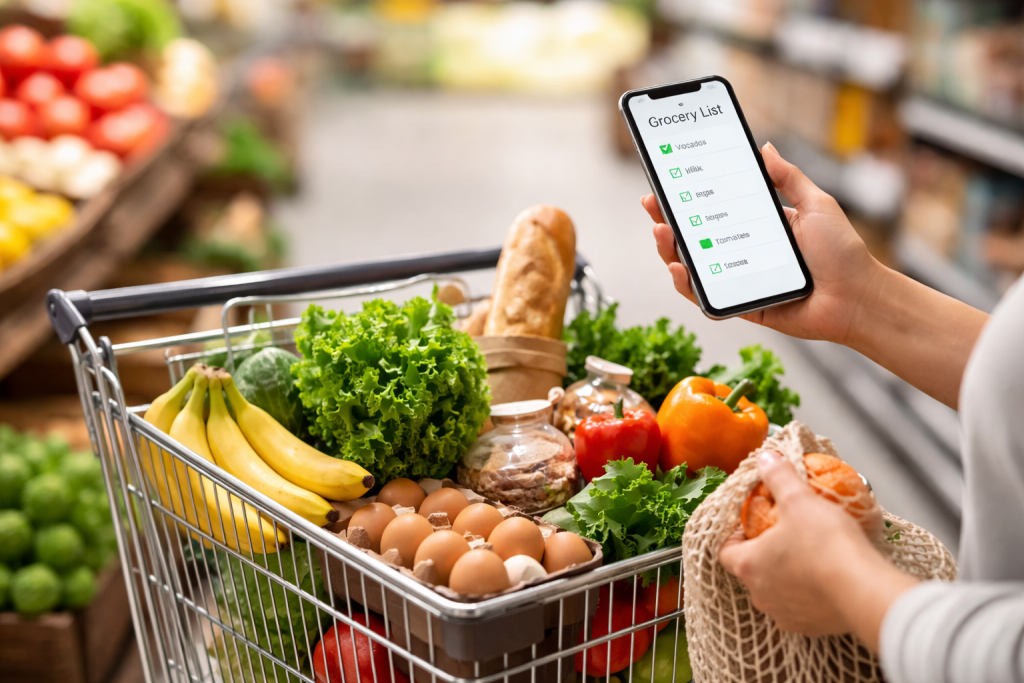
The modern grocery experience is fraught with temptations and choices, making a mindful approach more crucial than ever. The financial implications alone are significant. A household’s food budget often constitutes a substantial portion of monthly expenses. Unplanned purchases and inefficient shopping habits can quickly inflate these costs, leaving less room for other necessities or savings goals. Beyond the monetary aspect, smart shopping directly influences nutritional intake. Unhealthy impulse buys and a lack of foresight can lead to a pantry filled with processed foods rather than wholesome, nourishing ingredients.
Consider also the environmental impact. Food waste is a global crisis, and much of it begins at the consumer level. Buying too much, forgetting what’s in the fridge, or succumbing to promotional offers for items that won’t be consumed contributes directly to this problem. Smart grocery shopping fosters a greater awareness of consumption patterns, leading to less waste and a more sustainable lifestyle. It also cultivates a sense of control over one’s diet and finances, leading to reduced stress and a greater sense of well-being. Ultimately, it’s about making intentional choices that align with personal values, health goals, and budgetary constraints.
Contents
- 1 The Financial Benefits of Strategic Shopping
- 2 The Health and Wellness Connection
- 3 The Power of the Shopping List
- 4 Meal Planning as a Strategic Tool
- 5 Mastering the Art of Sales and Promotions
- 6 Prioritizing Freshness and Nutrition
- 7 Embracing Store Brands and Bulk Buying
- 8 Cooking from Scratch and Utilizing Leftovers
- 9 The Dangers of Impulse Buying
- 10 Minimizing Food Waste Through Smart Choices
- 11 Digital Shopping Lists and Coupon Apps
- 12 Price Comparison and Recipe Discovery Tools
The Financial Benefits of Strategic Shopping
Every dollar saved at the grocery store is a dollar that can be allocated elsewhere. Strategic shopping involves more than just hunting for sales; it encompasses planning, purchasing, and utilising food efficiently. This holistic approach can lead to substantial savings over time, freeing up resources for other financial goals like debt reduction, investing, or even a well-deserved vacation. It’s about maximising the value received for every purchase, ensuring that food is consumed, not discarded, and that a premium is not paid for convenience when a more economical alternative exists.
The Health and Wellness Connection
The contents of one’s grocery cart directly translate into the fuel for one’s body. Smart grocery shopping prioritises nutrient-dense foods, fresh produce, and whole grains over highly processed, sugary, or artificially flavoured items. It encourages a proactive approach to health, empowering individuals to make informed choices about what they consume. By planning meals and creating a targeted shopping list, it becomes easier to resist the allure of unhealthy snacks and to stock the kitchen with ingredients that support a balanced and wholesome diet. This deliberate approach contributes significantly to long-term health and vitality.
The cornerstone of smart grocery shopping is meticulous planning. Wandering aimlessly through aisles, grabbing items on a whim, is a recipe for overspending and accumulating items that may never be fully utilised. A well-crafted plan transforms the shopping trip from a reactive scavenger hunt into a purposeful mission. This involves more than just jotting down a few items; it requires a structured approach that considers existing inventory, upcoming meals, and potential deals.
The first step in this planning process is a thorough inventory check. Before even considering stepping foot in the store, assessing what is already on hand prevents duplicate purchases and ensures that food nearing its expiration date is prioritised for consumption. This simple ritual alone can drastically reduce food waste. Following the inventory, meal planning for the upcoming week or even several days becomes the next crucial step. This phase allows for the creation of a cohesive shopping list that directly supports planned meals, minimising the chances of buying extraneous items.
The Power of the Shopping List
A meticulously crafted shopping list is the ultimate weapon against impulse buys and forgotten essentials. It’s more than just a handwritten note; it’s a living document that guides the entire shopping experience. Organise the list into grocery store sections to minimise backtracking and save time. Grouping similar items together, such as produce, dairy, frozen foods, and pantry staples, streamlines the process and ensures nothing is overlooked. You can further enhance its effectiveness by adding specific brands and quantities, if desired. Technology can be a great ally here, with numerous apps available to help create and manage dynamic shopping lists.
Meal Planning as a Strategic Tool
Smart grocery shopping inextricably links to meal planning. By deciding on meals in advance, shoppers can create a highly targeted list of ingredients, avoiding unnecessary purchases. This proactive approach also opens up opportunities for bulk buying of frequently used items or utilising ingredients across multiple meals, minimising waste. Consider a “cook once, eat twice” strategy, where large portions cooked on one day can be repurposed or frozen for future meals. This not only saves money but also time during busy weekdays.
Once the plan is in place, the actual execution within the grocery store environment demands a strategic approach. Grocery stores are meticulously designed to encourage spending, from product placement to lighting and music. Being aware of these psychological tactics empowers shoppers to resist their influence and stick to their plan. The goal is to maximise savings on essential items while still prioritising health and quality.
Engaging with store flyers and digital circulars before a trip is paramount. These resources highlight weekly sales and promotions, allowing shoppers to align their meal plans with discounted items. Don’t be afraid to compare prices between different brands and even different stores. While loyalty to a particular store is understandable, a quick check of competitors’ prices for staple items can reveal significant savings over time. Furthermore, understanding unit pricing—the cost per ounce, pound, or other standard unit—is vital for truly comparing value and identifying the most cost-effective options, irrespective of package size.
Mastering the Art of Sales and Promotions
Simply grabbing items on sale isn’t always smart shopping. True mastery involves discerning which sales are genuinely beneficial. “Buy one, get one free” deals are only valuable if both items will be consumed before expiration. Stocking up on non-perishable items when they are at their lowest price point is an excellent strategy, but perishable goods require more cautious consideration. Learning to recognise sales cycles can also be advantageous, allowing shoppers to anticipate when their favourite brands or products will be discounted. This foresight enables more effective planning and greater savings.
Prioritizing Freshness and Nutrition
While saving money is a key objective, it should never come at the expense of health. Prioritising fresh, whole foods is fundamental to smart grocery shopping. Start the shopping trip in the produce section, filling the cart with seasonal fruits and vegetables, which are often more affordable and flavourful. Reading nutrition labels attentively is another crucial step. Look beyond front-of-package claims and examine ingredients lists for hidden sugars, unhealthy fats, and excessive sodium. Choosing minimally processed options whenever possible contributes significantly to a healthier diet and overall well-being.
Stretch your grocery budget further with a variety of practical strategies that don’t compromise on quality or nutrition. These tactics move beyond simply looking for sales and delve into more fundamental ways of altering shopping habits and food consumption. The aim is to achieve a balanced approach that supports both financial health and dietary needs.
One key strategy involves embracing generic or store-brand products. In many instances, these items are produced by the same manufacturers as their more expensive, brand-name counterparts, offering comparable quality at a fraction of the cost. The packaging may be different, but the contents often share a similar recipe and nutritional profile. Another powerful technique is to cook from scratch more frequently. Pre-packaged meals and convenience foods carry a significant premium for their preparation. By investing a little extra time in the kitchen, shoppers can dramatically reduce their food expenditures while gaining greater control over ingredients and portion sizes.
Embracing Store Brands and Bulk Buying
Don’t dismiss store brands or generic products without a fair trial. For many pantry staples, from pasta and rice to canned goods and dairy products, the quality difference is negligible, while the price difference can be substantial. Experimenting with different store brands can reveal hidden gems that become regular budget-friendly additions to the shopping list. Similarly, bulk buying can offer significant savings, particularly for non-perishable items like grains, legumes, spices, and cleaning supplies. However, this strategy requires careful consideration of storage space and actual consumption rates to avoid waste.
Cooking from Scratch and Utilizing Leftovers
The practice of cooking from scratch is a powerful antidote to high grocery bills. It allows for intentional ingredient selection, portion control, and the avoidance of expensive processing and packaging. Coupled with adept utilisation of leftovers, this approach becomes even more economical. Leftovers aren’t just for reheating; they can be transformed into entirely new meals. That roasted chicken can become chicken salad sandwiches, soup, or a stir-fry. Creative repurposing of ingredients ensures nothing goes to waste and maximises the nutritional and financial value of every purchase.
Even with the best plans in place, the grocery environment can be a minefield of temptations. Developing robust smart shopping habits is crucial for consistently sticking to the budget and minimising food waste. These habits are cultivated over time, transforming impulsive reactions into deliberate, reasoned choices.
One of the most effective habits is to never shop on an empty stomach. Hunger can significantly impair judgement, making shoppers more susceptible to marketing ploys and leading to purchases of high-calorie, often unhealthy, convenience foods. Always having a small snack before heading to the store can curb these cravings and help maintain focus on the shopping list. Another vital habit is to stick rigorously to the list. While it’s acceptable to be flexible for genuinely good deals on planned items, straying significantly from the list often results in unnecessary purchases and budget deviations.
The Dangers of Impulse Buying
Impulse buys are the silent killers of a grocery budget. They are those brightly packaged treats near the checkout, the “limited-time offer” products at the end of an aisle, or simply items that catch the eye despite not being on the list. Cultivating resistance to these temptations requires self-discipline and a conscious effort to adhere to the pre-planned shopping list. When faced with an urge to buy an off-list item, a simple question can be powerful: “Do I really need this, or do I just want it?” Often, the answer helps to curb the impulse.
Minimizing Food Waste Through Smart Choices
Reducing food waste is not just an ethical imperative but also a financially smart move. It begins with intelligent purchasing decisions: only buying what is genuinely needed and will be consumed. At home, effective food storage practices extend the shelf life of perishables, while understanding expiration and “best by” dates prevents premature discarding. Creative meal planning that incorporates ingredients nearing their end and embracing techniques like freezing leftovers or making broths from vegetable scraps all contribute to a zero-waste mindset. Every item saved from the bin is money saved and resources preserved.
In the digital age, technology offers a powerful suite of tools to enhance the smart grocery shopping experience. From streamlining the planning process to uncovering hidden deals, various apps and online resources can transform a mundane chore into an efficient and even enjoyable task. Leveraging these innovations empowers shoppers with information and convenience, making it easier to stick to budgets and healthy eating goals.
Many grocery store chains now offer their own dedicated apps, providing digital flyers, personalised coupons, and even online ordering with curbside pickup or home delivery options. These can be invaluable for busy individuals, saving both time and money. Beyond store-specific apps, a plethora of independent platforms exist that aggregate deals, compare prices across different retailers, or provide recipe inspiration based on ingredients already on hand.
Digital Shopping Lists and Coupon Apps
Gone are the days of forgotten paper lists. Digital shopping list apps allow users to easily create, organise, and share lists with family members. Many also integrate features like price tracking, recipe integration, and even the ability to scan barcodes to add items. Alongside these, coupon apps provide access to a vast array of digital coupons and rebates, often personalised based on past purchases or dietary preferences. These platforms eliminate the need for physical coupon clipping and ensure that shoppers never miss out on potential savings.
Price Comparison and Recipe Discovery Tools
The internet provides an unprecedented ability to compare prices across multiple stores without leaving home. Numerous websites and apps specialise in aggregating grocery deals, allowing shoppers to identify the most cost-effective options for their desired items. Furthermore, for those seeking meal inspiration or looking to utilise ingredients efficiently, recipe discovery tools are invaluable. Many platforms allow users to input available ingredients and generate recipe suggestions, minimising waste and inspiring culinary creativity without requiring additional grocery purchases. This intersection of technology and culinary planning truly embodies the spirit of smart grocery shopping.

GoLiveXora is managed by a passionate content creator dedicated to helping people improve their everyday lives through practical knowledge and modern solutions.