
Maximize Your Productivity with These Home Decor Tips
The modern home office has evolved beyond a mere functional necessity into a vital extension of our personal and professional lives. For many, it serves as a hub for productivity, a haven for creativity, and a venue for making crucial decisions. Yet, the very environment that supports these endeavours can, if not thoughtfully curated, become a source of stress, distractions, and decreased output. Fortunately, the art of home decor offers a powerful toolkit for transforming any space into a hyper-productive haven. By strategically integrating elements of design, functionality, and well-being, you can unlock a new level of efficiency and find genuine joy in your workday. This article delves into the myriad ways you can leverage your home decor to not only create a beautiful space but also to maximise your productivity and foster a more fulfilling work-from-home experience.
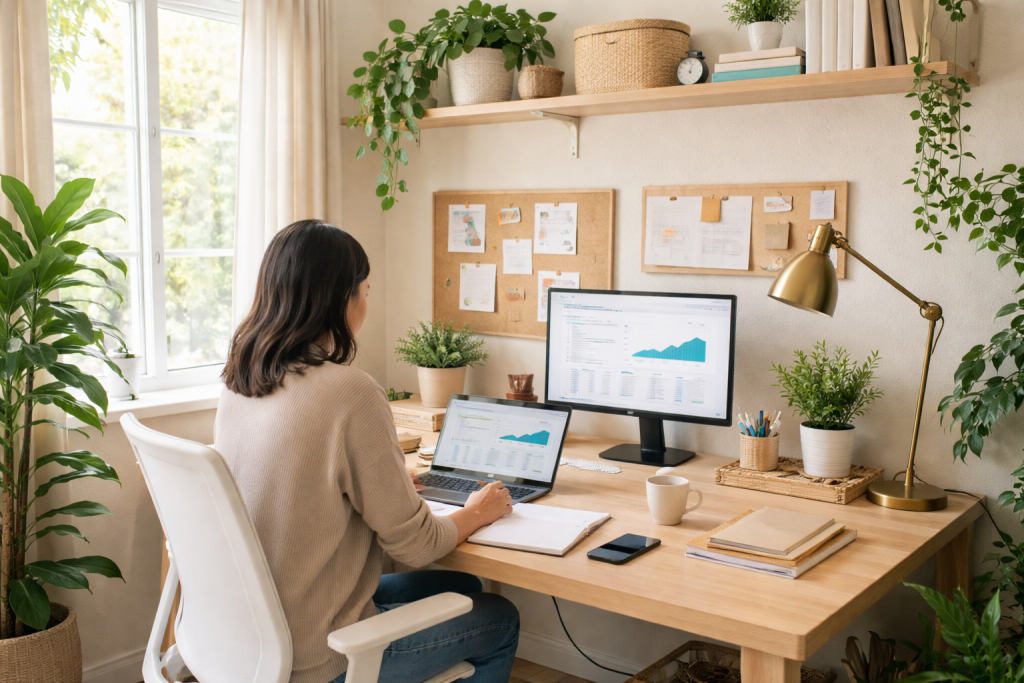
The cornerstone of any productive home office is a well-organised functional layout. Without a clear system for managing your tasks and your belongings, even the most aesthetically pleasing space can feel chaotic and hinder your workflow. Consider your workspace as a well-functioning machine, where each component requires a specific location and function to function efficiently. This involves more than just shoving papers into drawers; it’s about establishing a deliberate flow that supports your daily routines and minimises friction.
Contents
- 1 Designing for Flow and Purpose
- 2 Embracing the Principle of “A Place for Everyone and everything.”.
- 3 Harnessing the Benefits of Sunlight
- 4 Introducing the Calming Presence of Plants
- 5 The Tranquility of Blue and Green
- 6 The Spark of Yellow and Orange (Used Thoughtfully)
- 7 The Essential Desk and Chair Combination
- 8 Beyond the Basics: Supporting Elements for Comfort
- 9 Creating a Visual Sanctuary
- 10 The Art of Sound Management
- 11 The Power of Vertical Space and Hidden Storage
- 12 Embracing Desk Organization Tools
- 13 The Role of Meaningful Objects and Artwork
- 14 Cultivating an Inspiring Atmosphere
Designing for Flow and Purpose
The first step in creating a functional workspace is to define its primary purpose and how you intend to use it. Are you primarily on video calls, engaging in deep, focused work, or juggling multiple projects? Identifying these core activities will inform the layout and the furniture you select. Consider the natural pathways you take throughout your workday. Where do you sit most often, and what do you need within easy reach? Arranging your desk, chair, and storage so that frequently used items are accessible without excessive movement can save precious minutes – and mental energy – throughout the day. Think about the ideal distance between your keyboard, monitor, and any reference materials. This simple act of spatial awareness can prevent physical strain and improve your concentration.
Embracing the Principle of “A Place for Everyone and everything.”.
Organisation isn’t just about tidiness; it’s about efficiency. When everything has its designated spot, you spend less time searching and more time doing. This principle applies to everything from your pens and notebooks to larger equipment and important documents. Consider implementing a categorisation system. Group similar items together, and assign specific locations for ongoing projects versus archived materials. The goal is to create a system that is intuitive and easy to maintain. Even a few minutes spent at the end of each workday tidying up and returning items to their designated homes can make a significant difference in how you start the next day. This proactive approach prevents clutter from accumulating, which, in turn, reduces visual noise and mental distraction.
The influence of nature on our well-being and cognitive function is undeniable. Incorporating natural elements into your home office can have a profound impact on your mood, energy levels, and overall productivity. Unlike artificial lighting, natural light is full-spectrum, which plays a crucial role in regulating our circadian rhythms and improving alertness. Similarly, plants have been shown to reduce stress, improve air quality, and boost creativity.
Harnessing the Benefits of Sunlight
Maximising natural light in your workplace is paramount. If possible, position your desk near a window, allowing daylight to flood your work area. This doesn’t mean you should be directly facing the sun, which can cause glare and discomfort. Instead, aim for a position where the light is diffused or comes from the side. If direct sunlight is an issue, sheer curtains or blinds can effectively filter the light without completely obscuring it. Consider the orientation of your windows. North-facing windows often provide consistent, soft light, while south-facing windows can offer brighter illumination, though sometimes with more intense glare. Even if you can’t position your desk directly by a window, strategic placement of mirrors can help reflect and amplify natural light, making the space feel brighter and more open.
Introducing the Calming Presence of Plants
Plants are more than just decorative accessories; they are living additions that breathe life into your workspace. Studies have consistently shown that the presence of plants can reduce stress, lower blood pressure, and improve focus. The simple act of looking at something green can be incredibly restorative for the eyes, especially for those who spend long hours staring at screens. When choosing plants, consider their light requirements and your ability to care for them. Low-maintenance options like snake plants, spider plants, or ZZ plants are excellent choices for busy individuals. Even a small desk plant can make a noticeable difference in creating a more tranquil and inviting atmosphere. The act of watering and tending to your plants can also serve as a brief, mindful break from your work, allowing you to reset and return with renewed concentration.
Colour psychology is a powerful tool that can influence our emotions, energy levels, and cognitive processes. The hues you choose for your home office can either propel you toward peak productivity or subtly undermine your focus. Understanding how different colours affect your mood can help you create a space that fosters concentration and creativity.
The Tranquility of Blue and Green
Blues and greens are widely recognised for their calming and restorative properties. Blues, in their various shades, can evoke feelings of serenity, stability, and trust. This makes them an excellent choice for a workspace where concentration and a clear mind are essential. Think of soft sky blues or deep, rich navy. Greens, on the other hand, are deeply connected to nature and are known for their ability to reduce eye strain and promote feelings of balance and harmony. A sage green or a forest emerald can bring a sense of tranquillity to your office. These colours are particularly beneficial for prolonged periods of focused work, as they can help alleviate mental fatigue.
The Spark of Yellow and Orange (Used Thoughtfully)
Blues and greens promote calm, while vivid colours like yellow and orange can inject energy and creativity. Yellow, which is associated with happiness and optimism, can be an excellent accent colour to brighten your mood and stimulate your mind. However, too much bright yellow can be overwhelming, so it’s often best used in moderation. Orange, a blend of red’s energy and yellow’s happiness, can encourage enthusiasm and create a stimulating environment. These colours are ideal for spaces where brainstorming and innovative thinking are paramount. They can be incorporated through accessories, artwork, or as an accent wall. The key is to use these colours strategically to create a spark without becoming overly distracting.
Your physical comfort is directly linked to your mental capacity and your ability to focus. Investing in ergonomic furniture isn’t a luxury; it’s a necessity for long-term productivity and overall health. Your body’s comfort and support allow you to focus fully on your tasks, free from aches, pains, or fatigue.
The Essential Desk and Chair Combination
The desk and chair are the workhorses of your home office. A poorly chosen setup can lead to poor posture, back pain, and reduced concentration. Your desk should be at an appropriate height, allowing you to type with your elbows at a 90-degree angle and your wrists straight. Consider a desk with adjustable height options to allow for variation in your working posture. Your chair is equally critical. Look for a chair that offers lumbar support, adjustable armrests, and good seat depth. The ability to recline slightly can also help to alleviate pressure on your spine. Investing in a well-designed ergonomic chair can prevent chronic pain and significantly enhance your ability to work for extended periods without discomfort.
Beyond the Basics: Supporting Elements for Comfort
The principles of ergonomics extend beyond your primary desk and chair. Consider incorporating a footrest if your feet don’t comfortably reach the floor. Monitor arms can help you position your screen at the optimal viewing height, reducing neck strain. Even small details, like a keyboard tray that allows for proper wrist alignment, can contribute to a more comfortable and efficient workspace. Remember that ergonomics is about creating a harmonious relationship between your body and your work environment. Regularly assessing your posture and making small adjustments can have a significant impact on your overall well-being and productivity.
In a home environment, distractions can lurk around every corner. From the doorbell to the allure of household chores, maintaining focus can be a challenge. Strategic decor choices can act as a quiet guardian, helping you to create a mental buffer and maintain your concentration.
Creating a Visual Sanctuary
The visual landscape of your workspace plays a significant role in your ability to focus. Excessive clutter, busy patterns, and distracting artwork can pull your attention away from your tasks. Opt for a clean aesthetic with a limited colour palette. This doesn’t mean your space needs to be sterile; rather, it should be visually calm. Consider using neutral tones as a base and introducing pops of colour with carefully selected accessories. Artwork should be thoughtfully chosen; pieces that inspire or calm rather than agitate or distract are ideal.
The Art of Sound Management
While not strictly “decor”, elements that influence acoustics are vital for distraction mitigation. Hard surfaces like bare walls and floors can amplify sound, making it more difficult to concentrate. Incorporating soft furnishings like rugs, curtains, and upholstered furniture can help to absorb sound and create a quieter environment. Acoustic panels, though often seen in professional studios, can also be an effective decorative element for a home office, available in a variety of styles and colours that can blend seamlessly with your decor. Even the quiet hum of a white noise machine or ambient music tailored to focus can be a powerful tool against external noise pollution.
Clutter is the sworn enemy of productivity. When your workspace is disorganised, your mind often mirrors that state. Implementing smart storage solutions is not just about aesthetics; it’s about creating an efficient system that keeps your essentials accessible and your mind clear.
The Power of Vertical Space and Hidden Storage
Maximising your use of vertical space is a game-changer for small offices or those with limited floor area. Shelving units, wall-mounted cabinets, and tall bookcases can provide ample storage without encroaching on your valuable desk or floor space. Opt for storage solutions that keep items out of sight. Closed cabinets, drawers, and decorative bins can effectively conceal clutter, maintaining a clean and organised appearance. Consider the items you use most frequently. These should be within easy reach, while less-used items can be stored higher or further away.
Embracing Desk Organization Tools
Your desk itself can be a hub of disorganisation if not managed carefully. Investing in desk organisers, such as pen holders, document trays, and drawer dividers, is crucial. Cable management solutions, like clips and sleeves, can tame the unruly tangle of wires that often accumulates around electronic devices. A dedicated space for incoming and outgoing documents can prevent them from accumulating haphazardly. Think about creating zones on your desk or within your drawers for different types of items, making it easier to find what you need when you need it.
While functionality and organisation are paramount, a home office should also be a reflection of your unique personality. Infusing your space with elements that inspire you can significantly boost your motivation and spark your creativity. This is where the decor truly comes alive, transforming a functional workspace into a place you genuinely enjoy spending time.
The Role of Meaningful Objects and Artwork
Surround yourself with items that hold personal significance or spark joy. This could be photographs of loved ones, mementos from travels, inspiring quotes, or artwork that resonates with you. These personal touches can serve as powerful motivators, reminding you of your goals and passions. Consider displaying awards or certifications that represent your accomplishments; these can be powerful reminders of your capabilities. The key is to curate these items thoughtfully, ensuring they contribute to a positive and inspiring atmosphere rather than becoming another source of visual clutter.
Cultivating an Inspiring Atmosphere
Think about how you want to feel when you’re working. Do you want to feel energised, calm, focused, or inspired? Your decor can help you cultivate that desired atmosphere. This might involve incorporating a vision board where you can pin inspiring images and goals, a dedicated corner for relaxation and reflection, or even a small whiteboard for jotting down spontaneous ideas. Allowing for flexibility and personalisation means your workspace can evolve with your needs and aspirations. Ultimately, a home office that is both functional and personally meaningful will foster a deeper connection to your work and empower you to achieve your greatest potential.

GoLiveXora is managed by a passionate content creator dedicated to helping people improve their everyday lives through practical knowledge and modern solutions.