
Sweet Home: How to Manage Stress in Your Living Space
The sanctuary we call home should be a haven, a place of respite from the often-turbulent outside world. In modern life, however, our living spaces can sometimes become sources of stress rather than solace. The constant demands of work, family, and daily responsibilities can spill over to our homes, leaving us feeling overwhelmed and uncentered. Thankfully, we can transform our homes into true reflections of peace and tranquillity with mindful intention and strategic adjustments. This journey begins with a conscious effort to manage stress within our living spaces, cultivating an environment that actively promotes well-being and serenity.
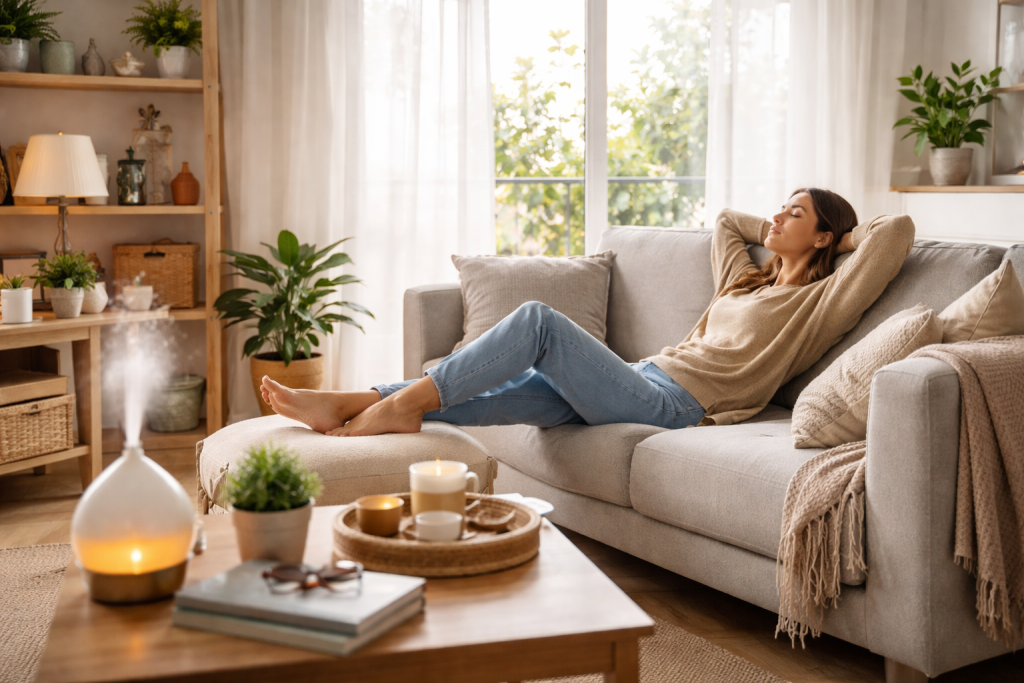
The atmosphere of our homes plays an instrumental role in our mental and emotional state. A visually chaotic or sensorially jarring environment can inadvertently contribute to feelings of unease. Conversely, a space designed with calmness in mind can act as a powerful balm for the stressed soul. This is achieved through a multi-faceted approach, touching upon everything from the colours we choose to the textures we embrace.
Contents
- 1 The Power of Color and Light
- 2 Sensory Zoning: Engaging the Senses Mindfully
- 3 Embracing Natural Elements
- 4 The Mental Benefits of an Organized Space
- 5 Practical Steps to Declutter Your Home
- 6 Creating Sustainable Organizational Systems
- 7 Identifying Your Personal Relaxation Triggers
- 8 The Importance of Comfort and Ergonomics
- 9 Incorporating Elements of Nature and Beauty
- 10 Understanding the Benefits of Essential Oils
- 11 Ways to Incorporate Scents into Your Home
- 12 Creating Scent Blends for Specific Needs
- 13 Creating a Dedicated Meditation Space
- 14 Simple Mindfulness Exercises for Daily Life
- 15 The Benefits of Regular Meditation Practice
- 16 The Importance of Personal Space
- 17 Communicating Your Needs Effectively
- 18 Creating a Sense of Privacy and Autonomy
- 19 Designating Work-Free Zones
- 20 Establishing Clear Workday Routines
- 21 Prioritizing Self-Care and Rejuvenation
The Power of Color and Light
The hues that adorn our walls and furnishings have a profound psychological impact. Cool, muted tones like soft blues, gentle greens, and warm greys are known to promote relaxation and reduce anxiety. These colors evoke a sense of nature and stability, calming the nervous system. Avoid overly bright or jarring colors in areas designated for relaxation, opting instead for shades that encourage a sense of ease. Natural light is another crucial element. Maximizing sunlight by keeping windows clean and unobstructed, and using sheer curtains, can significantly uplift mood and energy levels. Supplementing natural light with soft, ambient artificial lighting, such as lamps with warm bulbs, can create a cozy and inviting atmosphere, especially in the evenings.
Sensory Zoning: Engaging the Senses Mindfully
Beyond visual appeal, engaging our other senses in a mindful way can dramatically enhance the calming effect of our homes. Consider the sounds that permeate your living space. Soft instrumental music, the gentle hum of a fan, or even the quiet patter of rain can be soothing. Conversely, loud noises or constant chatter can be agitating. Introduce elements that engage the sense of touch, such as plush rugs, soft throws, and comfortable cushions. The feeling of sinking into a soft armchair after a long day can be incredibly therapeutic. The aroma of our homes also plays a vital role, which we will explore in more detail later.
Embracing Natural Elements
Bringing the outdoors in is a time-honored tradition for fostering tranquility. Houseplants not only add a touch of vibrant color and life to a room but also purify the air and can have a positive impact on mood. Their presence can create a sense of connection to nature, which is inherently calming. Consider incorporating natural materials into your décor, such as wood, stone, and natural fibers like cotton and linen. These elements lend an organic and grounded feel to your living space.
One of the most significant contributors to stress within the home is clutter. A disorganized and messy environment can feel overwhelming, making it difficult to relax and focus. The physical act of decluttering is not just about tidying up; it’s a therapeutic process that can lead to a profound sense of mental clarity and peace.
The Mental Benefits of an Organized Space
When our surroundings are orderly, our minds tend to follow suit. Chaos in our physical space can translate into mental chaos, making it harder to think clearly and make decisions. Conversely, an organized home provides a sense of control and calm. The visual simplicity of a clutter-free environment reduces sensory overload, allowing us to feel more at ease. It also frees up mental energy, as we are no longer expending effort searching for misplaced items or navigating through piles of possessions.
Practical Steps to Declutter Your Home
The process of decluttering doesn’t have to be an arduous task. Begin with small, manageable areas. For example, dedicate a weekend to tackling one drawer or one shelf. Set clear intentions for each item: keep, donate, discard, or relocate. Be honest with yourself about what you truly need and use. Consider implementing a “one in, one out” rule to prevent future accumulation. For items you decide to keep, establish designated homes for them. When everything has a place, it becomes much easier to maintain order.
Creating Sustainable Organizational Systems
The key to long-term peace of mind lies in creating organizational systems that are sustainable and fit your lifestyle. Storage solutions, such as shelves, baskets, and drawer organizers, can be invaluable. However, the most effective organizational tools are often the simplest: clear labels, consistent routines, and a willingness to let go of what no longer serves you. Regularly scheduled “mini-decluttering” sessions, even just five to ten minutes a day, can prevent clutter from accumulating again.
Your home is a personal reflection of yourself, and your relaxing oasis should be no different. Designing a space that caters to your specific needs and preferences is paramount in creating a sanctuary that truly fosters relaxation. This involves a thoughtful consideration of how you use your home and what activities bring you the most joy and calm.
Identifying Your Personal Relaxation Triggers
What activities truly help you unwind? Is it reading a captivating book, listening to music, practicing yoga, or simply enjoying a quiet cup of tea? Your relaxing oasis should be designed to facilitate these activities seamlessly. If reading is your solace, create a cozy reading nook with comfortable seating, excellent lighting, and easy access to your favorite books. If movement and mindfulness are key, dedicate a small corner for yoga or meditation, ensuring it is quiet and free from distractions.
The Importance of Comfort and Ergonomics
Comfort is non-negotiable when designing a relaxing space. Invest in furniture that is not only aesthetically pleasing but also ergonomically sound and comfortable for extended periods. Plush seating, supportive cushions, and soft textiles all contribute to a feeling of ease and indulgence. Consider the height of tables and chairs if you engage in activities like crafting or writing, ensuring a comfortable posture that prevents strain.
Incorporating Elements of Nature and Beauty
Beyond houseplants, consider other natural elements that bring you joy. A small water feature, like a tabletop fountain, can provide a soothing auditory and visual experience. Displaying artwork that evokes feelings of calm or inspiration can also enhance the mood of your space. Personal mementos and photographs that hold happy memories can also contribute to a sense of warmth and belonging, making your oasis feel truly yours.
The sense of smell is incredibly powerful, capable of evoking strong emotions and memories. Harnessing the power of aromatherapy and natural scents can transform your home into a fragrant sanctuary, promoting relaxation and well-being.
Understanding the Benefits of Essential Oils
Certain essential oils have been scientifically shown to possess calming and mood-boosting properties. Lavender is renowned for its ability to reduce anxiety and promote sleep. Chamomile is another excellent choice for its soothing and sedative effects. Citrus scents like lemon and orange can uplift mood and boost energy, while frankincense and sandalwood are grounding and promote feelings of peace.
Ways to Incorporate Scents into Your Home
There are numerous ways to introduce these beneficial aromas into your living space. Diffusers are a popular and effective method for dispersing essential oils into the air. You can also add a few drops of essential oil to a warm bath, to cleaning solutions, or to cotton balls placed discreetly around your home. Scented candles, made with natural waxes and essential oils, can also create a lovely ambiance, but be mindful of artificial fragrances which can be counterproductive. Consider using natural room sprays made with essential oils for a quick burst of fragrance.
Creating Scent Blends for Specific Needs
Experiment with creating your own scent blends to cater to specific needs. A blend of lavender and bergamot can be excellent for promoting relaxation before bed. A combination of peppermint and eucalyptus can be invigorating and helpful for clearing the mind. A warming blend of cinnamon and clove can create a cozy and comforting atmosphere during colder months. Always ensure an adequate ventilation when using diffusers for extended periods.
While a calming environment is crucial, true stress management within the home also involves cultivating mindful practices that foster inner peace. Our homes can become dedicated spaces for mindfulness and meditation, enabling us to connect with ourselves and de-stress.
Creating a Dedicated Meditation Space
Even a small corner can be transformed into a dedicated meditation space. Ensure it is quiet, free from distractions, and comfortable. A comfortable cushion or a yoga mat, a soft rug, and perhaps a small plant or a calming piece of art can make this space inviting and conducive to practice. The act of creating and using this dedicated space can itself become a mindful ritual.
Simple Mindfulness Exercises for Daily Life
Mindfulness doesn’t always require dedicated meditation sessions. Simple exercises can be integrated into your daily routines. Practice mindful eating, savoring each bite and paying attention to the tastes and textures. Engage in mindful movement, whether it’s stretching, walking, or doing household chores, focusing on the sensations in your body. Even a few minutes of mindful breathing can make a significant difference in managing stress throughout the day.
The Benefits of Regular Meditation Practice
Regular meditation practice can have profound effects on stress reduction, improving focus, emotional regulation, and overall well-being. Even short, consistent sessions can yield significant benefits. There are many guided meditation resources available online and through apps, making it accessible for beginners. The key is to be consistent and patient with yourself.
In our increasingly interconnected lives, establishing clear boundaries and respecting personal space within the home is vital for individual well-being and harmonious coexistence. Our homes should be a sanctuary for each member of the household, providing a sense of personal autonomy and respite.
The Importance of Personal Space
Each individual needs a certain amount of physical and psychological space to feel comfortable and secure. In a shared living environment, this can mean having a designated personal area, even if it’s just a corner of a room. It also extends to respecting each other’s need for quiet time and solitude. Ignoring these needs can lead to feelings of suffocation and resentment.
Communicating Your Needs Effectively
Open and honest communication is the cornerstone of establishing healthy boundaries. Learn to express your needs clearly and assertively, without being aggressive or demanding. This might involve letting family members know when you need some quiet time, or when an activity is causing you stress. Similarly, be receptive to the boundaries and needs of others in your household.
Creating a Sense of Privacy and Autonomy
Even in small living spaces, it’s possible to create a sense of privacy and autonomy. This can be achieved through clever use of screens, room dividers, or strategically placed furniture. It also involves respecting closed doors and personal belongings. Fostering an environment where each person feels they have their own space and can retreat when needed is crucial for individual peace and overall household harmony.
The lines between work and home life have become increasingly blurred for many, leading to a constant feeling of being “on.” Creating a true sanctuary at home requires intentionally fostering a balance between professional responsibilities and personal well-being.
Designating Work-Free Zones
It is essential to designate specific areas in your home as work-free zones. This means leaving work emails unanswered after a certain hour and consciously disconnecting from work-related thoughts and activities during your downtime. If you work from home, create a distinct workspace that can be closed off when the workday is over, physically and mentally separating your professional and personal lives.
Establishing Clear Workday Routines
Having clear routines for the beginning and end of your workday can signal a transition between work and home life. This might involve a specific morning routine to prepare for work and an evening routine to signal the end of the workday, such as tidying your workspace or engaging in a relaxing activity. These rituals help in mentally switching gears and preventing work from encroaching on your precious home time.
Prioritizing Self-Care and Rejuvenation
True balance in your home life is achieved when you prioritize self-care and rejuvenation. This means making time for activities that nourish your mind, body, and soul, whether it’s exercise, hobbies, spending time with loved ones, or simply enjoying quiet moments of rest. Your home should be a place where you can recharge and replenish your energy, allowing you to face the demands of life with renewed vigor and a sense of peace.
By consciously applying these principles, your living space can evolve from a mere dwelling into a true haven, a place where stress melts away and peace flourishes. Embrace the journey of transforming your home into a sanctuary, and you will undoubtedly find a deeper sense of contentment and well-being within its walls.

GoLiveXora is managed by a passionate content creator dedicated to helping people improve their everyday lives through practical knowledge and modern solutions.