
Avoid These Smart Home Pitfalls: A Beginner’s Guide
Embarking on the journey of creating a smart home is an exciting prospect, promising convenience, efficiency, and a touch of futuristic living. The allure of voice-controlled lights, automated routines, and devices that anticipate your needs can be incredibly compelling. However, like any intricate endeavour, navigating the landscape of smart home technology without a clear roadmap can lead to frustration and wasted investments. This guide aims to equip beginners with the knowledge to sidestep common stumbling blocks, ensuring a smoother transition into the connected home ecosystem and maximising the benefits of their smart investments.
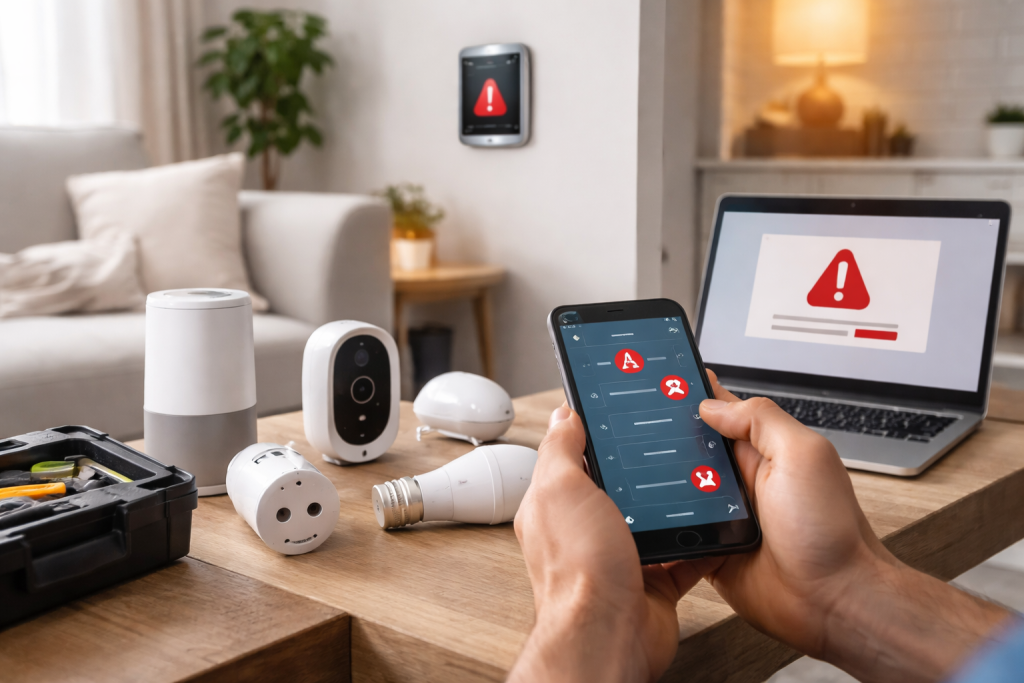
One of the most pervasive and disheartening pitfalls for smart home novices is the overlooked issue of compatibility. It’s tempting to be swayed by the sleek design or compelling features of individual smart devices, but without considering how they’ll interact, you’re setting yourself up for a system that’s less than the sum of its parts.
Contents
- 1 The Ecosystem Conundrum: Not All Smart Devices Play Nice
- 2 The Hub Dilemma: Central Control or Separate Systems?
- 3 Software and Firmware: The Ever-Evolving Language
- 4 The Open Door Effect: Weak Passwords and Unsecured Networks
- 5 The Data Trail: Understanding What Your Devices Collect
- 6 The Mirai Menace: Botnets and DDoS Attacks
- 7 The Network Backbone: Wi-Fi Strength and Stability
- 8 The Wiring Maze: Power, Placement, and Physical Connections
- 9 The Software Shenanigans: App Overload and Account Management
- 10 The Listening Ear: Smart Speakers and Constant Surveillance
- 11 The Eyes on Your Life: Smart Cameras and Video Feeds
- 12 The Data Broking Game: Who Owns Your Habits?
- 13 The Next Generation: Anticipating New Protocols and Standards
- 14 The Growing Collection: Scaling Your Smart Home
- 15 The Integration Puzzle: Connecting New Devices to Existing Ones
- 16 The Digital Polish: Firmware and Software Updates
- 17 Network Housekeeping: Router Maintenance and Security Checks
- 18 The Performance Slump: Troubleshooting and Optimization
- 19 The Vampire Drain: Standby Power Consumption
- 20 The Illuminated Overspend: Smart Lighting Choices
- 21 The Subscription Trap: Ongoing Fees and Services
The Ecosystem Conundrum: Not All Smart Devices Play Nice
The smart home market is a sprawling ecosystem with various dominant players and numerous independent manufacturers. Devices often operate on different wireless protocols, such as Wi-Fi, Bluetooth, Zigbee, and Z-Wave. Even within a single protocol, different versions or proprietary implementations can create barriers. For instance, a smart thermostat designed for Amazon’s Alexa ecosystem might not seamlessly integrate with Google Assistant, or vice versa, without additional hardware or complex workarounds. This means that simply buying a device because it looks good or is advertised as “smart” is a recipe for disappointment. It’s crucial to understand that these devices need to speak the same language to communicate effectively.
The Hub Dilemma: Central Control or Separate Systems?
Many smart home setups rely on a central hub or bridge to manage communication between devices. These hubs can act as translators, allowing devices with different protocols to interact. However, not all hubs are created equal. Some are designed to work with specific voice assistants, while others are more universal. Failure to research whether a chosen hub supports the protocols of the devices you intend to purchase will result in a frustrating situation where devices operate in isolation, defeating the purpose of a connected home. Imagine having smart lights that you can control with your voice, but your smart locks can only be operated through their own separate app. This siloing of functionality is a direct consequence of neglecting compatibility foresight.
Software and Firmware: The Ever-Evolving Language
Beyond hardware protocols, software and firmware play a critical role in device interoperability. Manufacturers regularly update their device firmware to improve performance, introduce new features, or patch security vulnerabilities. Even if two devices are technically compatible at purchase, a lack of ongoing software support or incompatible firmware updates can render them useless together over time. This underscores the importance of choosing brands that have a reputation for consistent software development and customer support. A device that is no longer supported by its manufacturer quickly becomes a “dumb” device, diminishing the overall smart home experience.
In our rush to embrace the convenience of smart technology, it’s alarmingly easy to overlook the critical aspects of security and privacy. The very interconnectedness that makes smart homes so appealing also presents potential vulnerabilities that, if unaddressed, can have significant consequences.
The Open Door Effect: Weak Passwords and Unsecured Networks
Many smart devices come with default login credentials or offer the option to set up passwordless access. This can be a significant security risk. When users neglect to change default passwords or create strong, unique ones for each device and their home Wi-Fi network, they are essentially leaving their digital doors wide open. Hackers can exploit these weak points to gain unauthorised access to your network, potentially controlling your smart devices, accessing sensitive data transmitted through your network, or even using your devices as entry points to compromise other devices. A compromised smart camera, for example, could be used for surveillance, while a hacked smart lock could grant physical access to your home.
The Data Trail: Understanding What Your Devices Collect
Every smart device, from smart speakers to fitness trackers, collects data about your habits, preferences, and even your physical presence within your home. This data is often used to personalise your experience, but it can also be a treasure trove for malicious actors or even the companies themselves. Failing to scrutinise the privacy policies of smart device manufacturers and understand what data is being collected, how it’s being used, and with whom it’s being shared is a critical oversight. Unsecured data can be exfiltrated, leading to identity theft, targeted advertising that feels intrusive, or even blackmail. Thinking critically about the data being collected and ensuring it aligns with your comfort level regarding privacy is paramount.
The Mirai Menace: Botnets and DDoS Attacks
While less common for casual users, the potential for smart devices to be recruited into botnets is a stark reality. Devices with poor security can be easily compromised and used to launch distributed denial-of-service (DDoS) attacks against websites or services, essentially overwhelming them with traffic. While your personal network might not be directly targeted, your compromised devices contribute to a larger problem and could, in rare cases, lead to your internet service being disrupted or your connection being throttled as your router is overwhelmed. This highlights the responsibility that comes with connecting numerous devices to the internet.
The promise of plug-and-play simplicity often cloaks the underlying technical requirements of smart home installations. What appears straightforward in marketing materials can quickly become a daunting task for those unprepared for the intricacies of wiring, network configuration, and software integration.
The Network Backbone: Wi-Fi Strength and Stability
A robust and stable Wi-Fi network is the bedrock of any smart home. Many beginners underestimate the demands that multiple connected devices place on their home network. Smart devices, particularly those streaming video or requiring constant communication, can strain a weak or outdated router. Insufficient signal strength, dead zones in the house, or an overloaded network can lead to intermittent connectivity, slow responses, and an overall frustrating experience. Investing in a high-quality router, potentially a mesh Wi-Fi system for larger homes, and ensuring optimal placement of your router are often overlooked but essential steps.
The Wiring Maze: Power, Placement, and Physical Connections
Some smart devices require more than just plugging them into an outlet. Smart thermostats often need to be wired into your HVAC system, smart lights might necessitate replacing existing fixtures, and security cameras could require drilling through walls for optimal placement and power. Without understanding the specific installation requirements, beginners can find themselves in a situation where they lack the necessary tools, electrical knowledge, or even the physical ability to complete the setup. This can lead to costly professional installations or, worse, incorrect installations that pose safety hazards.
The Software Shenanigans: App Overload and Account Management
Even after physical installation, the software side of things can present its own set of challenges. Each smart device often comes with its own dedicated app, and managing multiple accounts, notifications, and settings across these disparate applications can become overwhelming. Linking these apps to voice assistants, creating custom routines, and ensuring all software is up-to-date requires a degree of technical proficiency and patience that isn’t always immediately apparent. A cluttered app drawer and a confusing array of settings are common consequences of underestimating this aspect of smart home setup.
The convenience of a smart home often comes at the cost of surrendering a significant amount of personal data. While manufacturers often tout the benefits of personalisation and improved user experience, the implications for privacy can be profound and are frequently overlooked by newcomers to the smart home landscape.
The Listening Ear: Smart Speakers and Constant Surveillance
Smart speakers, epitomised by devices like Amazon Echo and Google Home, are designed to be always listening for their wake word. While they are programmed to only record and send audio to the cloud after hearing the wake word, the potential for accidental activation and the storage of voice recordings is a considerable privacy concern. Understanding what data is collected, how long it’s retained, and who has access to it is crucial. Furthermore, the ability to use these devices for remote access to your entire connected home makes them a prime target for those seeking to exploit vulnerabilities.
The Eyes on Your Life: Smart Cameras and Video Feeds
Smart cameras, both indoor and outdoor, offer valuable security benefits, but they also introduce significant privacy risks. The video feeds generated by these devices can record intimate moments within your home or capture activity outside your property. If these cameras are compromised due to weak security, unauthorised individuals could gain access to these live feeds or recorded footage. The ethical implications of having cameras within personal living spaces, even if for security, and the potential for misuse or breaches of this visual data are often not fully contemplated by beginners.
The Data Broking Game: Who Owns Your Habits?
The data collected by smart devices is valuable. Manufacturers can use aggregated, anonymised data to improve their products, but this data can also be sold to third-party companies for marketing or other purposes. Without understanding the data privacy policies and terms of service, users may be unknowingly consenting to the extensive collection and monetisation of their personal habits and routines. This can lead to hyper-targeted advertising that feels invasive or even the sale of sensitive information that could be used in ways you never intended. A proactive approach to understanding data governance and actively managing privacy settings on all your smart devices is essential.
The allure of the “set it and forget it” approach to smart home technology is a common trap for beginners. However, the rapid pace of technological advancement means that what you invest in today might be obsolete or incompatible with future innovations. A forward-thinking approach to planning is vital.
The Next Generation: Anticipating New Protocols and Standards
The smart home industry is constantly evolving, with new wireless protocols and communication standards emerging regularly. If you build your smart home around a specific, proprietary ecosystem, you might find yourself locked out of future innovations that utilise different standards. For example, the advent of Thread and Matter aims to create a more unified and interoperable smart home experience. If your current devices don’t support these emerging standards, you might need to replace them entirely to enjoy the benefits of seamless integration with future smart gadgets. Early adopters should consider devices that are “future-proofed” or at least open to integration with new protocols.
The Growing Collection: Scaling Your Smart Home
As you become more comfortable with your smart home, you’ll likely want to expand its capabilities. Perhaps you’ll add more lights, introduce smart appliances, or integrate a home security system. If your initial setup wasn’t designed with scalability in mind, you might encounter limitations with your existing hub, router, or even your power outlets. For instance, a hub that supports only a limited number of devices will quickly become a bottleneck, forcing you to invest in a new, more capable system. Planning for growth means considering the capacity of your core components from the outset.
The Integration Puzzle: Connecting New Devices to Existing Ones
Even if your initial devices are compatible with emerging standards, integrating new gadgets into your existing smart home ecosystem can still be a complex puzzle. Different manufacturers might implement standards in slightly varying ways. A lack of foresight into how new devices will interact with your current setup can lead to a piecemeal approach where each new addition requires significant troubleshooting and reconfigurations. Thinking about a unified control system or a platform that encourages seamless integration from the start can save considerable future headaches.
The initial setup of a smart home is just the beginning of an ongoing relationship with your technology. Many beginners fall into the trap of believing that once a device is installed and working, no further attention is required. This neglect of maintenance and updates can lead to a gradual decline in performance, security vulnerabilities, and eventually, a non-functional system.
The Digital Polish: Firmware and Software Updates
Just like your smartphone or computer, smart devices require regular firmware and software updates. These updates are crucial for performance enhancements, bug fixes, and, most importantly, security patches. Failing to apply these updates leaves your devices vulnerable to exploits that could compromise your network or data. Many devices can be configured to update automatically, but actively checking for available updates and ensuring they are installed is a good practice. A smart device that isn’t updated regularly is a ticking time bomb in terms of security.
Network Housekeeping: Router Maintenance and Security Checks
Your home Wi-Fi router is the central nervous system of your smart home. Like any piece of technology, it benefits from occasional maintenance. This might include checking for firmware updates for the router itself, ensuring your Wi-Fi password is still strong and hasn’t been compromised, and periodically reviewing connected devices on your network to ensure no unauthorised devices have joined. Neglecting your router is akin to neglecting the foundation of your house; it can have cascading negative effects on all connected devices.
The Performance Slump: Troubleshooting and Optimization
Over time, even well-functioning smart home systems can experience performance degradation. Devices might become sluggish, connections might drop, or routines might stop working as intended. This can be due to a variety of factors, including network congestion, outdated software in one of the connected devices, or even simple device “fatigue”. Regular troubleshooting, restarting devices, and optimising network settings can prevent minor issues from snowballing into major problems, ensuring your smart home continues to operate smoothly and efficiently.
The convenience and advanced features of smart home devices are undeniably appealing, but it’s easy to overlook the cumulative impact these connected gadgets can have on your energy bills and the overall cost of ownership. A penny saved here and there across multiple devices can add up significantly.
The Vampire Drain: Standby Power Consumption
Many smart devices, even when seemingly “off”, continue to draw a small amount of power in standby mode. This “vampire drain” can be particularly prevalent in devices that are always connected to the internet or listening for commands, such as smart speakers, smart TVs, and Wi-Fi-enabled appliances. While the individual consumption of each device might be minimal, the cumulative effect of dozens of these devices drawing power 24/7 can contribute to a noticeable increase in your electricity bill. Becoming aware of which devices are significant energy vampires and implementing strategies to minimise their standby time is a wise approach.
The Illuminated Overspend: Smart Lighting Choices
While smart lighting offers incredible convenience and ambience, it’s essential to consider energy efficiency. Older smart bulbs might consume more energy than their traditional LED counterparts, even when dimmed. Furthermore, the ease with which you can turn on lights with your voice or set automated schedules can sometimes lead to lights being left on unnecessarily, negating potential energy savings. Understanding the energy rating of smart bulbs and implementing smart energy management practices, such as turning off lights in unoccupied rooms, is crucial for controlling costs.
The Subscription Trap: Ongoing Fees and Services
Many smart home devices and services come with optional or even mandatory subscription fees to unlock their full functionality. This can include cloud storage for security camera footage, premium features for smart home hubs, or advanced analytics for smart appliances. Beginners might be seduced by the initial purchase price of a device without factoring in these ongoing costs. Before committing to a smart home ecosystem, carefully research any associated subscription fees and determine if the value proposition justifies the recurring expense. A collection of free-to-use devices might seem economical initially, but systems that rely on costly subscriptions can quickly become an expensive endeavour. By anticipating these potential pitfalls and approaching your smart home journey with diligence and foresight, you can ensure your technological aspirations translate into a truly enhanced and enjoyable living experience.

GoLiveXora is managed by a passionate content creator dedicated to helping people improve their everyday lives through practical knowledge and modern solutions.