
Smart Home 101: A Beginner’s Guide to Creating the Ultimate Connected Living Experience
The allure of a home that anticipates your needs, responds to your commands, and seamlessly integrates into your daily life is no longer confined to science fiction. Smart home technology has democratised this vision, making it accessible to anyone who is willing to embrace the future of residential living. For many, the sheer volume of options and the perceived complexity can be overwhelming. This guide aims to demystify the smart home landscape, providing a clear roadmap for beginners to embark on their journey toward a truly connected living experience.
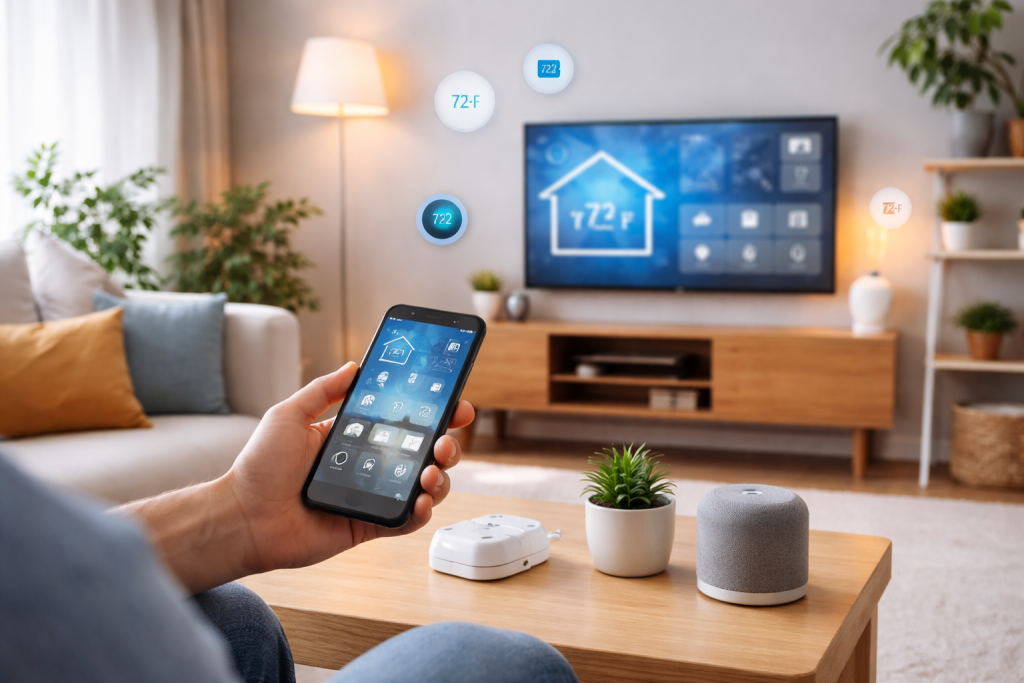
At its core, a smart home relies on a network of interconnected devices that communicate with each other and, in most cases, with a central hub or a cloud-based service. This communication allows for automation, remote control, and intelligent responses to various environmental factors or user input.
The Internet of Things (IoT) and Your Home
The concept powering smart homes is a subset of the Internet of Things (IoT), a vast network of physical objects embedded with sensors, software, and other technologies for the purpose of connecting and exchanging data with other devices and systems over the internet. In your home, this translates to thermostats, light bulbs, door locks, and even kitchen appliances becoming “smart” by gaining internet connectivity and the ability to be controlled remotely or autonomously. This interconnectedness is what transforms a collection of electronics into a cohesive smart home system.
The Role of Wireless Protocols
For devices to communicate, they rely on various wireless protocols. Wi-Fi is perhaps the most familiar, offering high bandwidth suitable for cameras and streaming devices. However, Wi-Fi can be power-intensive and potentially create network congestion with too many devices. Other crucial protocols include Zigbee and Z-Wave, which are low-power mesh networks specifically designed for smart home devices. They create a network where each device can relay signals to others, extending the reach and reliability of your smart home system. Bluetooth is also present in some devices, particularly for direct, short-range connections, often for initial setup or proximity-based actions. Understanding these protocols helps in choosing compatible devices and appreciating the underlying architecture.
Central Hubs and Voice Assistants
While some smart devices can operate independently, a central hub often acts as the brain of your smart home, coordinating actions and enabling more complex automations. These hubs, such as Samsung SmartThings or Hubitat, bridge different communication protocols and bring all your devices under one umbrella. Complementing these hubs are voice assistants like Amazon Alexa, Google Assistant, and Apple HomeKit. These powerful platforms allow you to control your smart home with spoken commands, offering a hands-free and intuitive interface that greatly enhances convenience. They can also often act as hubs themselves for certain device ecosystems, simplifying the setup for many beginners.
The sheer variety of smart home devices available can be overwhelming. The key is to start small, identify your immediate needs, and build your system incrementally. Don’t feel pressured to automate everything at once.
Prioritizing Based on Desired Benefits
Consider what aspects of your home life you want to improve first. Are you looking to save energy? Smart thermostats and smart lighting are excellent starting points. Do you want enhanced security? Smart locks, video doorbells, and security cameras are top contenders. Perhaps you simply crave convenience? Voice-controlled lighting, smart plugs for existing appliances, or automated routines for daily tasks can significantly impact your daily life. Beginning with a clear goal in mind will help narrow down the options and prevent unnecessary purchases.
Evaluating Compatibility and Ecosystems
One of the most critical considerations is device compatibility. Not all smart home devices work seamlessly with each other. Choosing devices within the same ecosystem (e.g., all Google Home-compatible devices or all Apple HomeKit devices) can simplify integration. Alternatively, investing in a robust smart home hub that supports multiple protocols and ecosystems can provide greater flexibility. Always check the “Works with [voice assistant]” or “Compatible with [hub]” labels before making a purchase. This foresight will save you headaches during the setup phase.
Considering Scalability and Future Expansion
While starting small is advisable, it’s also wise to think about long-term scalability. Will the smart home ecosystem you choose allow for easy expansion as your needs evolve? Can you add more devices without encountering compatibility issues or being locked into a proprietary system? Opting for open standards and widely supported platforms generally offers greater flexibility in the long run. Thinking ahead ensures your initial investments continue to be valuable as your smart home grows in sophistication.
Getting started with smart home technology doesn’t have to be daunting. With a few simple strategies, you can enjoy a smooth and successful setup.
Starting with a Strong Foundation
Ensure your home network is robust and reliable. A good Wi-Fi router with adequate coverage throughout your home is paramount, especially if you plan on using many Wi-Fi-based devices. Consider investing in a mesh Wi-Fi system for larger homes to eliminate dead zones. Good network infrastructure is the bedrock of any successful smart home.
Following Step-by-Step Instructions
Most smart devices come with clear, step-by-step instructions, often accompanied by companion apps that guide you through the process. Take your time, read all instructions carefully, and don’t skip steps. Rushing can lead to errors and frustration. Many manufacturers also provide helpful video tutorials online.
Leveraging Manufacturer Apps and Tutorials
Each smart device typically has its own dedicated app for initial setup and control. Become familiar with these apps. They often offer advanced features, troubleshooting guides, and firmware updates. Many manufacturers also have extensive online support documentation and community forums where you can find answers to common questions.
The true power of a smart home lies in its ability to automate tasks, freeing up your time and enhancing your comfort.
Creating Routines and Scenes
Routines, often called automations or scenes, are sequences of actions triggered by a specific event or time. For example, a “Good Morning” routine might turn on lights gradually, start your coffee maker, and play your favourite news podcast. A “Movie Night” scene could dim the lights, close the blinds, and turn on the TV. Experiment with different routines to streamline your daily activities and tailor your home to your lifestyle.
Utilizing Sensors for Intelligent Responses
Integrating various sensors dramatically enhances the intelligence of your smart home. Motion sensors can trigger lights when you enter a room and turn them off when you leave. Door and window sensors can alert you to unauthorised access or automatically adjust your thermostat when a window is open. Temperature and humidity sensors can help optimise climate control and even warn of potential issues like leaks. These sensors provide the contextual data that allows your smart home to truly anticipate your needs.
Energy Savings through Smart Control
Smart thermostats learn your preferences and adjust heating and cooling based on occupancy and weather forecasts, significantly reducing energy consumption. Smart lighting with scheduled on/off times and dimming capabilities further contributes to energy efficiency. Smart plugs can turn off power-hungry electronics when not in use, eliminating “phantom load” and saving you money on your utility bills. The initial investment in smart devices often pays for itself through these long-term energy savings.
Smart home technology offers robust solutions for bolstering the security of your property and providing peace of mind.
Smart Locks and Video Doorbells
Smart locks allow you to control access to your home from anywhere, grant temporary access to visitors or service providers, and receive notifications when doors are locked or unlocked. Video doorbells provide a live view of your doorstep, allowing you to see and speak to visitors remotely, even when you’re not home. They also record motion-triggered events, offering a valuable security log.
Security Cameras and Motion Sensors
Indoor and outdoor security cameras allow for continuous monitoring, with many offering features like night vision, two-way audio, and cloud storage for recorded footage. Motion sensors, when integrated with your security system, can trigger alarms, turn on lights, or send alerts to your phone, deterring potential intruders. From simple stand-alone cameras to comprehensive professionally monitored systems, there’s a smart security solution for every need.
Integration with Alarm Systems
Many smart security devices can integrate with traditional home alarm systems, creating a layered defence. For example, a smart door sensor might trigger your alarm system and simultaneously send a notification to your phone and the monitoring centre. This convergence of technologies provides a more comprehensive and responsive security posture.
Your home becomes truly unified and intelligent when your individual smart devices collaborate harmoniously.
Choosing a Unified Control Platform
Whether it’s a dedicated smart home hub, a voice assistant ecosystem, or a combination of both, selecting a unified control platform is essential. This platform serves as the central nervous system, facilitating communication and control across all your disparate devices through a single interface. This eliminates the need to jump between multiple apps for different devices.
Leveraging IFTTT and Advanced Automations
For those seeking more advanced customisation, services like IFTTT (If This Then That) allow you to create powerful custom automations spanning multiple services and devices that might not natively integrate. For example, you could set up an applet where if your smart weather station detects rain, then your smart blinds automatically close. This provides an almost limitless potential for tailoring your smart home to very specific scenarios.
Building a Holistic Smart Home Ecosystem
Think of your smart home as an ecosystem where each device plays a role. By strategically selecting devices that complement each other and can be integrated, you build a holistic system that enhances every aspect of your living experience. From lights adjusting to your mood to climate control adapting to your occupancy, a well-integrated smart home feels intuitive and effortlessly responsive.
Like any technology, smart home systems can occasionally encounter glitches. Knowing how to troubleshoot common issues will save you time and frustration.
Connectivity Challenges and Network Health
Many smart home issues stem from connectivity problems. Check your Wi-Fi signal strength, restart your router and modem, and ensure your devices are within range. For Zigbee and Z-Wave networks, ensure you have enough repeater devices to create a robust mesh. Regular network maintenance, such as updating router firmware, is also important.
Firmware Updates and Device Maintenance
Keep your smart devices and hubs updated with the latest firmware. Manufacturers frequently release updates that improve performance, add new features, and fix bugs. Regularly checking for and installing these updates is crucial for optimal operation and security.
Experimentation and Continuous Learning
The smart home landscape is constantly evolving. Don’t be afraid to experiment with new routines, explore advanced features, and learn about new devices. Join online communities, read tech blogs, and stay informed about emerging trends. The more you engage with your smart home, the more you’ll uncover its full potential and truly master your connected living experience. Embarking on your smart home journey is an exciting step towards a more convenient, efficient, and secure lifestyle. By understanding the basics, making informed choices, and embracing the power of automation, you can create a personalised and truly connected living experience that transforms your home into a sanctuary of modern comfort and innovation.

GoLiveXora is managed by a passionate content creator dedicated to helping people improve their everyday lives through practical knowledge and modern solutions.